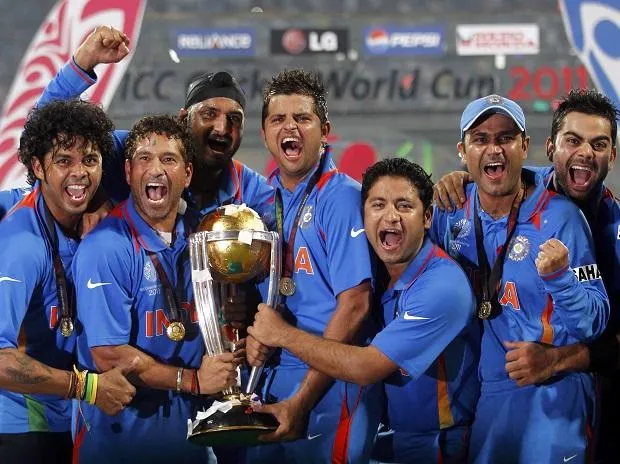
World Cup cricket has always been more than a tournament. It is the one stage where dreams are tested, legends are born, and entire nations hold their breath with every delivery. From packed stadiums to silent living rooms, this global spectacle transforms cricket into a shared human experience unlike any other.
Every four years, the sport reaches its emotional peak. Fans from different cultures, languages, and continents come together with one common passion. The pressure is heavier, the moments bigger, and the consequences unforgettable.
The Birth of World Cup Cricket
The journey of World Cup cricket began in 1975, when the first tournament was hosted in England. Limited-overs cricket was still evolving, and the idea of a global championship was bold. Yet, the tournament immediately captured attention, proving that cricket could deliver drama and excitement in a shorter format.
Early editions were dominated by teams with strong cricketing structures. However, even in those formative years, the World Cup showed its unique nature. Underdogs challenged giants, and unexpected heroes emerged on the biggest stage.
How World Cup Cricket Changed the Game Forever
Before the World Cup, cricket was largely a bilateral affair. The introduction of World Cup cricket brought context and urgency to every match. Performances now carried historical weight, remembered for generations rather than seasons.
Batting styles evolved to suit limited overs. Bowlers learned the art of variation, while fielding standards rose dramatically. The tournament didn’t just reflect the game’s progress, it actively shaped how cricket was played worldwide.
World Cup Cricket and Iconic Moments
Some moments in cricket history are inseparable from the World Cup. Stunning upsets, last-over finishes, and individual brilliance have created memories that still give fans goosebumps. These moments transcend statistics and become part of sporting folklore.
The magic of World Cup cricket lies in its unpredictability. A single spell, one innings, or one catch can define a career. Players who rise to the occasion are remembered forever, regardless of their overall records.
Emotional Impact of World Cup Cricket on Fans
No other cricket tournament connects emotionally with fans like the World Cup. Victories spark nationwide celebrations, while defeats bring collective heartbreak. Streets empty, offices pause, and families gather around screens during crucial matches.
For many, World Cup cricket is tied to personal memories. Watching matches with parents, celebrating with friends, or staying awake all night becomes part of life stories. This emotional bond keeps fans invested across generations.
World Cup Cricket and National Pride
Every team enters the tournament carrying the hopes of its nation. Flags wave in stadiums, national anthems echo louder, and players feel the weight of expectation. Representing one’s country in a World Cup is considered the highest honor.
In World Cup cricket, even rivals earn respect. Competition is fierce, but shared pressure creates mutual admiration among players. That blend of rivalry and respect defines the spirit of the tournament.
Evolution of Strategies in World Cup Cricket
Strategies in World Cups have evolved dramatically over time. Early tournaments focused on defensive batting and containment bowling. As pitches improved and bats became more powerful, teams adapted with aggressive approaches.
Modern World Cup cricket demands flexibility. Teams must adjust tactics based on conditions, opponents, and match situations. Captains and coaches rely on data, yet instincts still play a crucial role during high-pressure moments.
Role of Leadership in World Cup Cricket
Leadership often determines success in the World Cup. Captains who remain calm under pressure inspire confidence throughout the team. One decision can change the course of a knockout match.
Great leaders in World Cup cricket understand momentum. They sense when to attack, when to defend, and how to manage emotions. Their influence extends beyond tactics into team morale and belief.
World Cup Cricket and the Rise of New Heroes
Every edition introduces new stars to the world. Unknown players suddenly find themselves under global spotlight, delivering performances that define their careers. This opportunity makes the tournament special for emerging nations as well.
The beauty of World Cup cricket is that reputation matters less than performance. On this stage, past records fade, and only the present moment counts. That openness keeps the tournament exciting and unpredictable.
Impact of World Cup Cricket on Global Popularity
The World Cup has played a key role in expanding cricket beyond traditional strongholds. Associate nations gain exposure, inspiring young players and attracting new fans. Broadcast reach brings the game into millions of homes worldwide.
Through World Cup cricket, cricket has grown into a truly global sport. Emerging teams gain experience, while established nations face fresh challenges that keep the competition vibrant.
World Cup Cricket and Commercial Growth
With global viewership comes commercial influence. Sponsorships, broadcasting deals, and brand partnerships have turned the World Cup into a massive sporting event. This financial growth supports infrastructure, grassroots programs, and player development.
Despite commercialization, World Cup cricket retains its soul. Fans care more about moments than marketing, and players remain driven by pride rather than profit on this stage.
Pressure and Mental Strength in World Cup Cricket
The mental demands of a World Cup are immense. One mistake can end a campaign built over years. Handling pressure becomes as important as technical skill.
Teams invest heavily in mental conditioning because World Cup cricket tests emotional resilience. Players who thrive are those who embrace pressure rather than fear it.
World Cup Cricket and Cultural Influence
Cricket World Cups influence culture, language, and even fashion. Phrases from iconic matches enter everyday conversations. Jerseys become symbols of identity worn proudly during tournaments.
In many countries, World Cup cricket becomes a shared cultural event. Differences fade as people unite behind their team, reminding everyone of sport’s power to bring communities together.
Changing Formats and World Cup Cricket
Over time, the World Cup has adapted to changing audience preferences. While the traditional 50-over format remains iconic, shorter formats have introduced new energy and audiences.
Each version of World Cup cricket offers something unique. The balance between tradition and innovation keeps the tournament relevant without losing its historical significance.
World Cup Cricket and the Future of the Game
Looking ahead, the World Cup will continue shaping cricket’s future. Technology, analytics, and fan engagement will evolve, but the essence will remain unchanged.
The next generation of players grows up dreaming of lifting the trophy. For them, World Cup cricket is not just a tournament, it is the ultimate goal that defines a cricketing career.
Why World Cup Cricket Remains Unmatched
Other tournaments may offer entertainment, but none match the intensity of a World Cup. Every match carries consequences, every performance is scrutinized, and every victory is celebrated passionately.
That is why World Cup cricket holds a special place in the hearts of fans and players alike. It is where cricket becomes history in motion, written one ball at a time.
read more :-
ইংল্যান্ড ক্রিকেট দল বনাম নিউজিল্যান্ড জাতীয় ক্রিকেট দল ম্যাচের স্কোরকার্ড
west indies cricket team vs bangladesh national cricket team match scorecard
england cricket team vs west indies cricket team match scorecard
india national cricket team vs england cricket team match scorecard