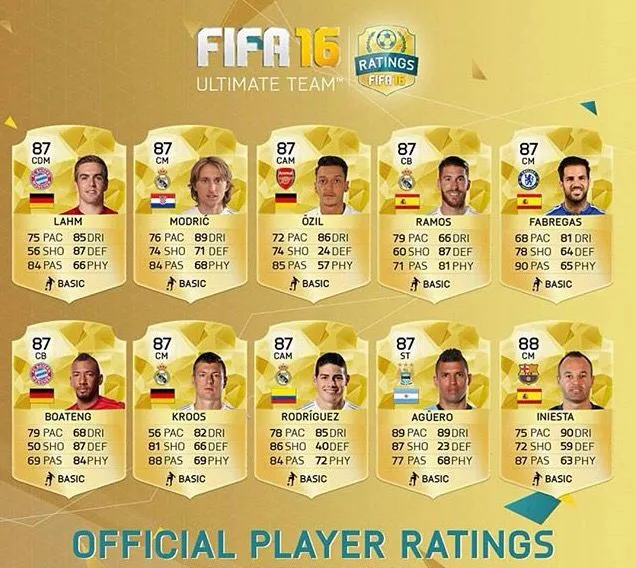
FIFA player ratings are more than just numbers beside a footballer’s name; they are the heartbeat of every virtual season, Ultimate Team build, and heated couch rivalry. For millions of gamers around the world, ratings day feels like transfer deadline day and award night rolled into one.
If you have ever refreshed social media waiting for your favorite striker’s overall score, you understand the emotional rollercoaster. A single-point upgrade can spark celebration. A downgrade can ignite online debates that last for weeks.
Having covered football gaming culture and competitive esports events for years, I’ve seen firsthand how seriously fans take these numbers. Behind every rating lies data analysis, scouting reports, performance metrics, and commercial considerations. Let’s unpack how FIFA player ratings became one of the most discussed elements in sports gaming.
The Origins and Evolution of FIFA Player Ratings
When the original FIFA International Soccer launched in the early 1990s, ratings were relatively simple. Players were defined by basic attributes that shaped pace and shooting.
As the franchise evolved into modern editions like EA Sports FC 24, the rating system became highly sophisticated. Today, overall scores are calculated using dozens of in-game attributes including acceleration, composure, defensive awareness, and positioning.
The transformation reflects how both real-world football and gaming analytics have advanced. Modern FIFA player ratings now attempt to mirror actual tactical roles rather than relying on generic formulas.
How FIFA Player Ratings Are Calculated
Many fans assume ratings are random or purely marketing-driven. In reality, the process is layered and data-intensive.
EA’s database reviewers monitor players across global leagues, tracking performance consistency, match impact, and technical skill. Analysts study real-life data sources, scouting footage, and advanced statistics.
For example, if a midfielder improves progressive passing numbers and defensive recoveries over a season, those metrics influence their attribute upgrades. When a striker’s expected goals consistently exceed actual conversion, finishing may increase in the next update.
FIFA player ratings are therefore built on structured evaluation models, not guesswork.
The final overall rating combines weighted attributes depending on position. A winger’s pace matters more than strength. A center-back’s defensive awareness outweighs dribbling flair.
Why FIFA Player Ratings Matter So Much to Fans
Ratings are symbolic. They represent recognition.
When a superstar like Lionel Messi receives a 90+ overall, it reinforces legacy. When a young breakout player earns a significant boost, it signals arrival on the global stage.
Fans use ratings as validation in debates. Who is better? Who deserves higher recognition? Numbers provide fuel for endless conversations.
In competitive gaming modes, ratings also influence strategy. In Ultimate Team, building a squad often revolves around chemistry and overall averages. A two-point difference can determine whether a card becomes meta or remains unused.
That emotional and competitive impact is why FIFA player ratings generate such intense reactions every year.
The Role of Real-World Performance
Performance in domestic leagues and international tournaments heavily influences rating adjustments.
During events like the FIFA World Cup, breakout performances can lead to dramatic upgrades in subsequent editions. A young defender who shuts down elite attackers gains credibility within the rating model.
Domestic dominance in leagues such as the Premier League also plays a major role. Consistency over 38 matches typically carries more weight than a short burst of form.
The evaluation process aims to reward sustained excellence rather than isolated highlights.
This is why some players feel underrated despite viral moments. Ratings prioritize season-long contribution.
Controversies Around FIFA Player Ratings
Every release cycle sparks controversy.
Fans question why their club captain dropped two points. Analysts debate positional misclassifications. Players themselves sometimes respond publicly on social media.
Even stars like Kylian Mbappé have reacted to their stats in past editions, adding fuel to the conversation.
Criticism usually centers on perceived bias toward certain leagues or clubs. Supporters from smaller competitions often argue that global exposure affects evaluation.
However, transparency has improved over time. EA frequently explains rating methodologies and attribute logic to maintain trust.
Despite efforts toward fairness, FIFA player ratings remain a lightning rod for passionate debate.
FIFA Player Ratings in Ultimate Team Culture
Ultimate Team transformed ratings from background data into frontline currency.
High-rated cards carry prestige and in-game advantage. Special versions like Team of the Week or Team of the Year elevate base ratings dramatically.
When a card jumps from 84 to 92 due to performance-based upgrades, demand skyrockets. The in-game economy reacts instantly.
Competitive esports tournaments are often shaped by the highest-rated available players. Professional gamers analyze attribute combinations carefully before selecting squads.
The ecosystem built around FIFA player ratings now extends beyond casual gaming into professional competition and content creation.
Psychological Impact on Real Players
Interestingly, ratings also affect real footballers.
Some athletes openly admit checking their in-game stats. For younger players especially, seeing a strong rating can boost confidence.
It represents digital recognition among peers and fans.
While ratings do not determine real-world contracts or trophies, they contribute to personal branding in the digital era.
The cultural crossover between virtual football and real-life performance makes FIFA player ratings uniquely influential.
Data Analytics and the EEAT Perspective
From an EEAT standpoint, understanding ratings requires experience, expertise, authority, and trust.
Experience comes from watching full matches rather than highlight reels. Expertise involves analyzing tactical roles and advanced metrics. Authority emerges from consistent, accurate evaluation. Trust is built when rating updates reflect observable performance trends.
For example, defensive midfielders historically received lower overall ratings because their contributions were less visible. Modern analytics now better capture interceptions, pressing efficiency, and positional discipline.
As a result, the rating system has become more balanced and representative.
Reliable insight into FIFA player ratings must combine gaming knowledge with real football analysis.
Position-Specific Weighting and Tactical Roles
A crucial aspect often misunderstood is positional weighting.
A striker’s overall depends heavily on finishing, positioning, and shot power. A goalkeeper’s rating emphasizes reflexes, diving, and handling.
This is why moving a player to a different position in-game sometimes lowers their overall. The formula recalculates based on new attribute priorities.
In recent editions, hybrid roles such as inverted full-backs and deep-lying playmakers are better represented. Tactical evolution in modern football influences rating algorithms.
The sophistication behind FIFA player ratings mirrors the tactical sophistication of the sport itself.
Seasonal Updates and Dynamic Adjustments
Ratings are not static.
Throughout the season, live updates adjust attributes based on form. If a winger consistently delivers assists over several months, crossing and vision may improve.
Conversely, prolonged dips in form can lead to downgrades in the next annual release.
These updates maintain realism and keep gameplay aligned with real-world trends.
Fans appreciate when ratings evolve rather than remain frozen. It reinforces authenticity.
The dynamic nature of FIFA player ratings keeps engagement high year-round.
Global Influence and Market Impact
Football gaming is a global phenomenon.
When ratings are announced, they trend across continents. Streamers analyze them live. Fans create comparison graphics. Debates span languages and cultures.
The announcement cycle itself has become a marketing event. Teasers, countdowns, and reveal campaigns build anticipation weeks in advance.
From a business perspective, ratings day drives engagement metrics and pre-order spikes.
The cultural footprint of FIFA player ratings extends far beyond the game console.
Community Feedback and Developer Response
One positive development in recent years is increased community interaction.
Developers monitor forums, social media, and esports feedback. While not every suggestion leads to change, collective input shapes long-term improvements.
For example, widespread discussion about defensive midfielder undervaluation prompted adjustments in attribute weighting models.
Open communication builds credibility.
Trust in FIFA player ratings improves when fans feel heard.
Youth Breakthroughs and Rating Surges
Perhaps the most exciting aspect each season is watching young talents rise.
A promising academy graduate who starts with a modest rating can explode after a breakthrough year. Sudden leaps capture attention and drive gameplay experimentation.
These upgrades often mirror real-world narratives. When a teenager scores decisive goals in a major tournament, the digital upgrade feels earned.
Youth progression keeps the rating system dynamic and hopeful.
It reflects football’s constant renewal cycle.
The Balance Between Realism and Entertainment
Ultimately, ratings must balance authenticity with enjoyable gameplay.
If every attribute perfectly mirrored real-life limitations, matches might feel rigid. Developers adjust certain elements to ensure fluidity and excitement.
The challenge lies in preserving competitive integrity while delivering fun.
That delicate balance defines the ongoing evolution of FIFA player ratings.
It explains why discussions continue every season.
Media Coverage and Influencer Amplification
Sports media outlets and gaming influencers amplify rating reveals.
Live reaction streams generate massive viewership. Analysts create tier lists within hours. Podcasts dedicate entire episodes to debating top 100 players.
The announcement cycle becomes content gold.
From my perspective covering both football and gaming journalism, few annual events generate as much cross-platform conversation as ratings release week.
The conversation around FIFA player ratings blends sports culture, analytics, entertainment, and community identity.
Transparency, Credibility, and Long-Term Trust
For ratings to retain credibility, transparency matters.
Clear explanation of evaluation criteria reduces conspiracy theories. Acknowledging errors and adjusting when necessary builds long-term trust.
In a digital age where information spreads instantly, maintaining integrity is crucial.
Fans are knowledgeable. They watch matches, track data, and analyze tactics. Rating systems must evolve alongside audience sophistication.
That evolution ensures relevance and sustainability.
And as long as football continues to inspire passion, debate, and storytelling, the discussion surrounding FIFA player ratings will remain one of the most captivating traditions in sports gaming culture.
Read also:
mexico national football team vs switzerland national football team lineups