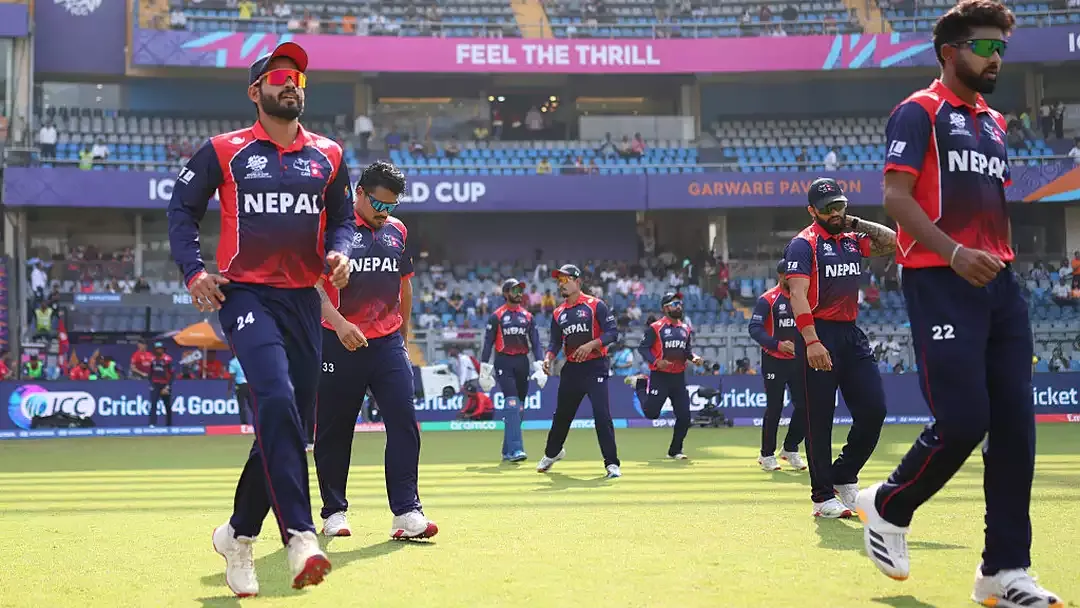
Emerging Cricket Nations are no longer just making up the numbers in international tournaments; they are actively reshaping the narrative of the gentleman’s game. For decades, cricket was perceived as an exclusive club reserved for a handful of Commonwealth countries. However, the winds of change are blowing across the grassy fields of Dallas, the mountain-framed stadiums of Nepal, and the coastal towns of Namibia. The global landscape of cricket is expanding at a rate never seen before, driven by the explosive popularity of the T20 format and a newfound sense of professionalization among Associate members.
The 2024 ICC Men’s T20 World Cup served as a definitive turning point for many of these rising powers. We witnessed scenes that seemed like scripts from a Hollywood underdog movie. When the United States defeated Pakistan in a thrilling Super Over, it wasn’t just an upset; it was a loud announcement that the hierarchy was crumbling. These moments of brilliance are the result of years of grassroots investment and a shift in how these countries perceive their own potential on the world stage.
One cannot discuss the rise of Emerging Cricket Nations without highlighting the sheer passion found in the streets of Kathmandu. Nepal is perhaps the most vibrant example of a nation where cricket has transcended being just a sport to become a national identity. The sight of thousands of fans braving the rain or climbing trees outside the Tribhuvan University Ground just to catch a glimpse of their heroes is a testament to the game’s growth. The fans in Nepal don’t just watch cricket; they live every ball with an intensity that rivals the traditional powerhouses like India or Bangladesh.
This level of local engagement is a crucial pillar of the ICC’s expansion strategy. While the big three—India, Australia, and England—continue to dominate the commercial side of the game, the soul of cricket is finding a new home in these developing territories. The success of players like Sandeep Lamichhane or the emergence of power hitters from the Gulf region shows that talent is no longer restricted by geography. If you have a bat, a ball, and a dream, the pathway to international stardom is more accessible than it was twenty years ago.
The United States represents a unique frontier for the sport. For a long time, cricket was seen as an immigrant sport in America, played mainly by expats from South Asia and the Caribbean. Today, that perception is shifting as Major League Cricket (MLC) brings high-quality competition to American soil. The infrastructure is catching up, with world-class facilities popping up in places like Grand Prairie, Texas. This professional ecosystem allows local talent to train alongside legends of the game, accelerating their development and boosting their confidence.
When we look at the European circuit, the Netherlands and Scotland have consistently punched above their weight. These nations have built a culture of resilience and tactical intelligence. The Dutch, in particular, have a knack for upsetting giants in ICC events. Their victory over South Africa in consecutive World Cups proved that their systems are robust. They may not have the massive player pools of their rivals, but their technical proficiency and data-driven approach make them a threat to any established team.
Africa is another continent where the sport is witnessing a massive surge. Namibia and Uganda have recently made headlines by qualifying for major tournaments ahead of more established sides like Zimbabwe. This shift highlights the competitive nature of regional qualifiers. In Namibia, a small population has managed to produce a team that is incredibly fit and disciplined. Their captain, Gerhard Erasmus, embodies the grit of Emerging Cricket Nations, leading a group of players who often balance their sporting careers with other professional commitments.
The introduction of the T20 format has been the single greatest equalizer in cricket history. In a shorter game, the gap between a seasoned Test-playing nation and a rising Associate team narrows significantly. A single individual performance, a couple of tight overs, or a bit of brilliance in the field can change the outcome. This unpredictability is what makes the growth of these teams so exciting for fans. It brings a fresh energy to tournaments that were previously criticized for being too predictable.
However, the journey for these nations is not without its hurdles. One of the primary challenges is the lack of consistent fixtures against top-tier opposition. Most of these teams spend their years playing in regional qualifiers or lower-division leagues. When they finally reach a World Cup, they are often facing world-class bowling for the first time in months. For Emerging Cricket Nations to truly bridge the gap, there needs to be a more structured bilateral calendar that includes matches against the “Full Members” of the ICC.
Financial disparity also remains a significant roadblock. The revenue distribution model in international cricket heavily favors the established nations. While the big teams enjoy massive sponsorship deals and broadcasting rights, many Associate nations struggle to provide central contracts to their players. This often leads to “brain drain,” where talented players from smaller countries seek opportunities in more lucrative leagues or even change nationalities to find financial security.
Despite these financial constraints, the spirit of the game remains undeterred. We are seeing innovative coaching methods and a heavy reliance on technology to bridge the resource gap. Teams are using advanced analytics to study their opponents and optimize their strategies. This intellectual approach to the game has allowed teams like Oman and the UAE to remain competitive even without the historical pedigree of their rivals. They are proving that smart cricket can often beat big-budget cricket.
The role of the International Cricket Council (ICC) in fostering this growth cannot be overlooked. Through various development programs and the expansion of World Cup slots, the governing body is slowly opening the doors to a more inclusive future. The decision to include cricket in the 2028 Los Angeles Olympics is perhaps the most significant milestone for the sport’s global ambitions. Olympic inclusion provides these nations with access to government funding that was previously unavailable, as many countries only fund sports that are part of the Olympic movement.
Storytelling is at the heart of why we love these teams. Every player in an Associate side has a story of sacrifice. Whether it is a player in Papua New Guinea traveling hours by boat to reach a training facility or a youngster in Uganda practicing on a concrete strip, these narratives resonate with the global audience. They remind us of the pure joy of the sport, stripped away from the billion-dollar advertisements and political maneuvering. It is cricket in its most raw and passionate form.
The rise of Emerging Cricket Nations also has a profound impact on the local economies of these countries. When Nepal hosts an international series, the local tourism and hospitality sectors see a massive boost. It creates a cycle of growth where success on the field leads to investment off the field. Governments are beginning to see cricket as a tool for soft power and national branding. A successful national team can do more for a country’s visibility than any marketing campaign could.
In the Caribbean, we are seeing a different kind of emergence. While the West Indies is a legendary cricketing entity, the development of cricket in smaller islands and the focus on youth academies is revitalizing the region. The goal is to ensure that the pipeline of talent remains steady. This is a common theme across all rising nations; the focus has shifted from just having a good senior team to building a sustainable pathway from the Under-19 level upwards.
The tactical evolution in these countries is also worth noting. Players are no longer afraid to play unconventional shots or experiment with their bowling variations. They are bringing a “fearless” brand of cricket that often catches the traditional giants off guard. This lack of baggage allows them to play with a freedom that is often missing in teams burdened by high expectations. When you have nothing to lose, you become a dangerous opponent on the field.
Looking toward Asia, the progress of teams like Japan and Indonesia is fascinating. While baseball or football might be the dominant sports in these regions, cricket is carving out a niche. The Japanese team, often comprised of players with diverse backgrounds, is a great example of how the sport can adapt to different cultures. Their focus on discipline and technique is slowly bearing fruit in regional competitions, proving that the game has a universal appeal that transcends cultural barriers.
The future of international cricket will depend on how well these nations are integrated into the main fold. If the sport remains a closed shop, it risks stagnation. But if it embraces the diversity and energy of the rising nations, it can truly become a global powerhouse. The fans have already shown that they are hungry for new stories and new heroes. They want to see the underdog win, and they want to see the map of the cricketing world expand into every corner of the globe.
The professionalization of domestic leagues in these countries is another key factor. When a country like Canada or the USA has its own professional league, it creates a career path for young athletes. They no longer have to choose between their education and a sport that offers no financial future. This stability is what will eventually lead to these teams becoming “Full Members” themselves. It is a long and arduous process, but the trajectory is clearly pointing upward.
As we watch the next generation of cricketers emerge, it is clear that the talent pool is deeper than it has ever been. The skills on display in the qualifying rounds of major tournaments are often just as high as those in the main event. This depth is a sign of a healthy sport. It means that no team can afford to be complacent. Every match is a battle, and every nation, no matter how small, has a chance to etch its name in the history books.
The beauty of cricket lies in its ability to bring people together. In countries torn by conflict or economic hardship, the national cricket team often serves as a beacon of hope. It provides a sense of unity and pride that few other things can. For these nations, every boundary hit and every wicket taken is a victory for the people. This emotional connection is what will continue to drive the growth of the game in the years to come.
We are entering an era where the term “minnow” is becoming obsolete. The competitive gap is closing, and the traditional hierarchy is being challenged every single day. The rise of these teams is not a fluke; it is the result of strategic planning, immense passion, and a refusal to be intimidated by the status quo. The global cricket community is better for it, as it brings more viewers, more sponsors, and more heart to the sport we love.
As the sport continues to evolve, the focus must remain on sustainability. Building a few stadiums is not enough; there must be a continuous effort to train coaches, umpires, and administrators within these countries. True growth is organic and comes from within the community. By empowering local leaders and providing them with the tools they need, the international community can ensure that the rise of these nations is not just a temporary trend but a permanent shift in the landscape.
The upcoming decade promises to be the most exciting one in the history of the sport. With more teams participating in global events and the inclusion of cricket in multi-sport games, the reach of the game is set to explode. We are witnessing the birth of new rivalries and the crowning of new champions. The story of cricket is being rewritten, and the authors are the brave players and fans from the furthest reaches of the globe.
In every corner of the world, from the icy winds of Scotland to the tropical heat of Uganda, there is a kid with a bat dreaming of playing on the world stage. Those dreams are more valid today than they ever were. The infrastructure is being built, the paths are being cleared, and the world is ready to watch. The game is no longer just a legacy of the past; it is a vibrant, inclusive, and truly global spectacle that belongs to everyone.
Read also :-
west indies cricket team vs south africa national cricket team match scorecard
zimbabwe national cricket team vs pakistan national cricket team match scorecard
lucknow super giants vs rajasthan royals match scorecard
sri lanka national cricket team vs new zealand national cricket team timeline
zimbabwe national cricket team vs afghanistan national cricket team match scorecard
bangladesh national cricket team vs sri lanka national cricket team
afghanistan national cricket team vs bangladesh national cricket team timeline