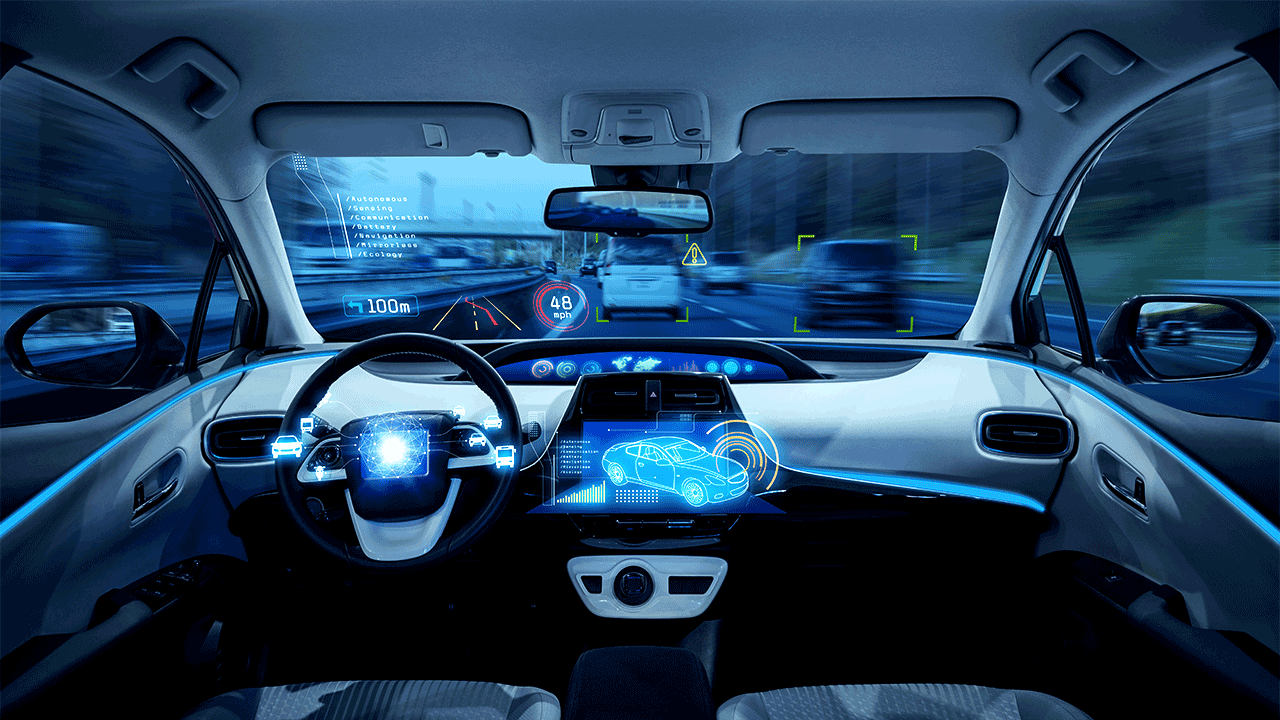
autonomous driving technology is no longer just a futuristic dream—it’s becoming part of our everyday reality. Imagine sitting in your car during a busy morning commute, sipping your coffee while the vehicle smoothly navigates traffic on its own. That scenario, once reserved for science fiction, is steadily turning into real life.
Over the past decade, advancements in artificial intelligence, sensors, and computing power have transformed how vehicles operate. Today, self-driving features are already present in many cars, helping drivers stay safe and reducing human error.
As we move forward, the question is no longer whether autonomous vehicles will dominate the roads, but how quickly they will reshape the entire transportation ecosystem.
Table of Contents
ToggleThe Evolution of Autonomous Driving
The journey of autonomous driving technology began with simple driver-assistance systems. Features like cruise control and parking assistance were the early steps toward automation.
Gradually, these systems evolved into more advanced capabilities such as lane-keeping assist, adaptive cruise control, and automatic emergency braking. Today, many vehicles can handle certain driving tasks independently under specific conditions.
This evolution is often categorized into different levels of automation, ranging from Level 0, where the driver has full control, to Level 5, where the vehicle requires no human intervention at all.
Although fully autonomous cars are still under development, Level 2 and Level 3 systems are already being used widely, marking a significant milestone in the automotive industry.
How Autonomous Driving Technology Works
At the core of autonomous driving technology lies a combination of hardware and software working together seamlessly. Vehicles rely on sensors such as cameras, radar, and LiDAR to understand their surroundings.
These sensors collect data about road conditions, traffic signals, pedestrians, and nearby vehicles. This data is then processed by powerful onboard computers that use artificial intelligence to make real-time decisions.
For example, if a pedestrian suddenly crosses the road, the system can instantly detect the movement and apply brakes faster than a human driver could react.
The integration of machine learning allows these systems to improve over time, learning from millions of miles of driving data to enhance safety and efficiency.
Safety Improvements and Reduced Human Error
One of the biggest promises of autonomous driving technology is improved road safety. Human error is responsible for the majority of traffic accidents worldwide.
Distractions, fatigue, and poor judgment often lead to accidents that could otherwise be avoided. Autonomous systems, on the other hand, remain alert at all times and respond instantly to changing conditions.
Advanced driver-assistance features are already helping reduce collisions by warning drivers of potential hazards and taking corrective actions when necessary.
As the technology continues to evolve, the goal is to create a transportation system where accidents become extremely rare.
Real-Life Applications Already in Use
You might be surprised to know that autonomous driving technology is already being used in various real-world scenarios. Ride-hailing services in some cities are experimenting with self-driving taxis.
Delivery companies are using autonomous vehicles to transport goods efficiently, especially for last-mile deliveries. Even agriculture and mining industries are adopting self-driving machines to improve productivity.
In everyday life, many modern cars come equipped with semi-autonomous features that assist drivers in highways and urban environments.
These applications demonstrate that the transition to full autonomy is not a distant goal but an ongoing process.
The Role of Artificial Intelligence and Big Data
Artificial intelligence plays a central role in the advancement of autonomous driving technology. It enables vehicles to interpret complex environments and make intelligent decisions.
Machine learning algorithms analyze vast amounts of driving data to identify patterns and predict outcomes. This helps vehicles anticipate potential hazards and respond proactively.
Big data also contributes to improving navigation systems, optimizing routes, and enhancing overall driving efficiency.
As more vehicles become connected, they will share information with each other, creating a network that improves traffic flow and reduces congestion.
Challenges Facing Autonomous Driving Technology
Despite its potential, autonomous driving technology still faces several challenges. One of the biggest hurdles is ensuring reliability in all driving conditions.
Weather conditions such as heavy rain, fog, or snow can affect sensor performance. Complex urban environments with unpredictable human behavior also pose difficulties.
Regulatory and legal issues are another concern. Governments need to establish clear guidelines and safety standards before fully autonomous vehicles can be widely adopted.
Public trust is equally important. Many people are still hesitant to rely completely on machines for driving, which slows down adoption.
Ethical and Legal Considerations
As autonomous driving technology continues to develop, ethical questions are becoming increasingly important. For instance, how should a self-driving car react in a situation where an accident is unavoidable?
Decisions that involve potential harm require careful consideration and transparent guidelines. Developers and policymakers must work together to address these issues responsibly.
Legal frameworks also need to evolve to determine liability in case of accidents involving autonomous vehicles.
These considerations highlight the complexity of integrating advanced technology into everyday life.
Autonomous Driving Technology and Smart Cities
The rise of autonomous driving technology is closely linked to the development of smart cities. As urban areas become more connected, self-driving vehicles will play a key role in improving mobility.
Traffic management systems can communicate with autonomous vehicles to optimize routes and reduce congestion. Smart infrastructure, such as connected traffic lights, can further enhance efficiency.
This integration can lead to shorter travel times, reduced fuel consumption, and improved air quality in cities.
The combination of smart cities and autonomous vehicles represents a significant step toward a more sustainable future.
Economic Impact and Industry Transformation
The growth of autonomous driving technology is reshaping the automotive industry and beyond. Traditional car manufacturers are investing heavily in research and development to stay competitive.
New players, including technology companies and startups, are entering the market with innovative solutions. This competition is driving rapid advancements and creating new business opportunities.
The logistics and transportation sectors are also undergoing significant changes. Autonomous vehicles can reduce operational costs and increase efficiency, making them attractive for businesses.
At the same time, this shift raises concerns about job displacement, particularly for drivers. However, it also creates new roles in technology, maintenance, and system management.
Consumer Experience and Convenience
From a user perspective, autonomous driving technology offers unmatched convenience. Long drives become less tiring, and commuting time can be used more productively.
Passengers can relax, work, or even enjoy entertainment while the vehicle takes care of driving. This change transforms the car from a means of transportation into a personal space.
Families, elderly individuals, and people with disabilities can benefit greatly from increased accessibility and independence.
The focus is not just on reaching a destination but on enhancing the overall travel experience.
Environmental Benefits of Autonomous Vehicles
Another important aspect of autonomous driving technology is its potential to reduce environmental impact. Efficient driving patterns can minimize fuel consumption and lower emissions.
When combined with electric vehicles, autonomous systems can contribute to a cleaner and more sustainable transportation system.
Optimized traffic flow reduces congestion, which in turn decreases pollution levels in urban areas.
These benefits align with global efforts to combat climate change and promote sustainable development.
The Future Road Ahead
Looking ahead, autonomous driving technology is expected to become more advanced and widely available. Innovations such as 5G connectivity, edge computing, and improved sensors will enhance performance.
Fully autonomous vehicles may soon become a common sight, transforming how people and goods move across cities and countries.
Collaboration between governments, technology companies, and automotive manufacturers will be essential to accelerate adoption.
As these advancements continue, the line between human-driven and machine-driven transportation will gradually blur.
Why Autonomous Driving Technology Matters Today
The significance of autonomous driving technology goes beyond convenience and innovation. It represents a fundamental shift in how society approaches mobility.
By improving safety, increasing efficiency, and reducing environmental impact, this technology has the potential to address some of the biggest challenges in transportation.
The journey toward full autonomy may take time, but the progress made so far is remarkable.
Every new feature, every test drive, and every innovation brings us closer to a future where driving is safer, smarter, and more accessible for everyone.
A Glimpse Into Everyday Life With Self-Driving Cars
Picture a typical day in the near future shaped by autonomous driving technology. You step out of your home, and your car is already waiting, having planned the best route based on real-time traffic data.
As you travel, the vehicle communicates with other cars and infrastructure, ensuring a smooth and efficient journey. There are fewer traffic jams, fewer accidents, and less stress.
For businesses, deliveries are faster and more reliable. For cities, transportation systems are more organized and sustainable.
This vision is not far from reality—it is steadily unfolding with each technological breakthrough and innovation in the field of autonomous vehicles.
Read also: