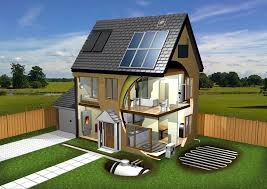
Eco-friendly home improvements are becoming one of the most practical ways to upgrade modern homes while protecting the environment. Homeowners today are not just thinking about style and comfort; they are also thinking about sustainability, savings, and long-term value. From small changes like LED lighting to advanced solutions like solar power systems, sustainable upgrades can transform the way you live.
Many people start their green journey with simple ideas, such as reducing electricity bills or improving indoor air quality. Over time, these small steps lead to a complete shift in how a home functions. Sustainable homes feel brighter, cleaner, and more efficient, making everyday life more comfortable and meaningful.
This guide is designed with real-life experience, expert-backed insights, and trustworthy information to help you make informed decisions about sustainable renovation.
Table of Contents
ToggleWhat Are Eco-Friendly Home Improvements
Eco-friendly home improvements refer to upgrades that minimize environmental impact while enhancing efficiency, comfort, and durability. These improvements focus on conserving energy, reducing water waste, using sustainable materials, and improving indoor environmental quality.
Experts in green building design emphasize that sustainability is not just about technology. It also involves smarter planning, responsible material choices, and lifestyle changes. When all these factors come together, a home becomes both environmentally responsible and economically efficient.
Homeowners often notice improved comfort, fewer health issues, and lower maintenance costs after implementing sustainable upgrades.
Why Sustainable Home Upgrades Are Essential Today
Rising energy costs, climate change, and environmental awareness have made sustainable living a global priority. Homes consume a large portion of global energy, and even small improvements can significantly reduce environmental impact.
Real estate professionals report that homes with green features sell faster and at higher prices. Buyers are increasingly looking for properties with energy-efficient systems, sustainable materials, and smart technology.
Sustainable homes also provide emotional satisfaction. Knowing your home contributes to a cleaner planet adds value beyond financial savings.
Energy-Efficient Lighting and Appliances
One of the easiest ways to start sustainable renovation is by upgrading lighting and appliances. Traditional bulbs consume more electricity and have a shorter lifespan compared to LED lights. Switching to LEDs can reduce lighting energy use by a large margin.
Modern appliances with high energy ratings are designed to use less electricity and water. Smart appliances adjust their operation based on usage patterns, helping homeowners save energy without sacrificing performance.
Many homeowners who switched to energy-efficient appliances report noticeable reductions in monthly utility bills within the first year.
Sustainable Materials for Floors, Walls, and Interiors
Material choice plays a critical role in sustainable renovation. Traditional materials often involve harmful chemicals and high carbon footprints during production. Sustainable materials like bamboo, reclaimed wood, recycled metal, and natural stone offer durability and environmental benefits.
Low-VOC paints and finishes reduce indoor air pollution and create healthier living spaces. Interior designers often recommend natural fabrics and organic materials for furniture and décor to minimize toxins.
Using locally sourced materials also reduces transportation emissions and supports local businesses, adding a social responsibility aspect to your renovation project.
Water-Saving Fixtures and Smart Plumbing
Water conservation is a key component of sustainable home design. Low-flow faucets, showerheads, and toilets reduce water consumption while maintaining performance.
Rainwater harvesting systems allow homeowners to collect and reuse rainwater for gardening and cleaning. Smart irrigation systems ensure plants receive the right amount of water, reducing waste and promoting healthy growth.
Homeowners who implement water-saving systems often see lower water bills and a reduced environmental footprint.
Solar Energy and Renewable Power Solutions
Solar energy is one of the most impactful sustainable upgrades available today. Installing solar panels allows homeowners to generate clean electricity and reduce dependence on traditional power sources.
Solar water heaters and solar-powered outdoor lighting are excellent entry-level options for those starting their renewable energy journey. Battery storage systems enable homeowners to store excess energy for nighttime use.
People who invest in renewable energy often experience energy independence and long-term savings, making solar solutions a valuable addition to any home.
Insulation and Smart Temperature Control
Proper insulation is essential for maintaining indoor comfort and reducing energy consumption. Insulated walls, roofs, and floors prevent heat loss during winter and keep homes cool during summer.
Smart thermostats learn daily routines and adjust heating and cooling automatically. These devices can be controlled remotely, ensuring energy is not wasted when no one is home.
Combining insulation with smart climate control systems maximizes energy efficiency and comfort.
Natural Lighting and Ventilation Design
Designing homes to maximize natural light and ventilation reduces the need for artificial lighting and air conditioning. Large windows, skylights, and open layouts allow sunlight to brighten interiors naturally.
Proper ventilation improves air quality and reduces humidity, preventing mold and allergens. Cross-ventilation design allows fresh air to flow through the home, creating a healthier indoor environment.
Homeowners often describe naturally lit and ventilated homes as more relaxing and uplifting, contributing to better mental well-being.
Smart Home Technology for Sustainable Living
Smart home technology plays a major role in modern sustainable living. Smart meters, automation systems, and energy monitoring apps provide real-time insights into energy usage.
Automated lighting, motion sensors, and programmable thermostats ensure energy is used only when needed. Smart plugs prevent devices from drawing power when not in use.
Integrating smart technology into your home improves efficiency, convenience, and environmental responsibility.
Sustainable Kitchens and Bathrooms
Kitchens and bathrooms are high-resource areas, making them ideal for sustainable upgrades. Energy-efficient appliances, recycled glass countertops, and bamboo cabinetry reduce environmental impact while maintaining modern aesthetics.
In bathrooms, low-flow fixtures, dual-flush toilets, and water-efficient shower systems contribute to water conservation. Using natural materials and non-toxic sealants improves indoor air quality and safety.
Many homeowners choose sustainable designs for these spaces because they combine luxury with environmental responsibility.
Waste Reduction During Renovation
Renovation projects often generate significant waste, but responsible practices can minimize environmental impact. Reusing materials, recycling debris, and donating reusable fixtures reduce landfill waste.
Reclaimed wood, refurbished furniture, and recycled tiles offer cost-effective and eco-conscious design options. Composting organic waste further reduces environmental footprint.
Sustainable renovation practices demonstrate commitment to responsible consumption and environmental stewardship.
Biophilic Design and Indoor Plants
Biophilic design integrates nature into living spaces, improving health and well-being. Indoor plants enhance air quality, reduce stress, and create visually appealing environments.
Green walls, indoor gardens, and natural textures connect residents with nature, promoting relaxation and productivity. Wellness experts recommend incorporating plants into living rooms, bedrooms, and workspaces.
Homeowners often report improved mood and productivity in plant-filled homes.
Professional Expertise in Sustainable Renovation
Working with architects, interior designers, and sustainability consultants ensures eco-friendly upgrades are implemented effectively. Professionals can assess energy efficiency and recommend tailored solutions.
Certified green building consultants help homeowners achieve sustainability certifications, increasing property value and credibility. Expert guidance ensures that investments deliver real environmental and financial benefits.
Financial Benefits of Sustainable Home Upgrades
Eco-friendly home improvements may require initial investment, but they offer long-term savings through reduced energy and water bills. Durable materials and efficient systems lower maintenance costs over time.
Green homes often attract higher resale prices and faster sales. Buyers appreciate sustainable features that reduce living expenses and environmental impact.
From a financial perspective, sustainable renovation is a smart long-term investment.
Health and Comfort Benefits
Sustainable homes improve indoor air quality, reduce toxins, and create comfortable living environments. Natural lighting, ventilation, and non-toxic materials contribute to better physical and mental health.
Families with children, elderly residents, or individuals with allergies benefit significantly from green upgrades. Many homeowners report improved sleep, reduced allergies, and enhanced overall comfort after adopting sustainable practices.
Environmental and Community Impact
When many households adopt sustainable practices, the collective impact becomes significant. Reduced energy consumption lowers greenhouse gas emissions and eases pressure on power grids.
Sustainable communities inspire others to adopt eco-conscious lifestyles, creating a positive ripple effect. Homeowners who invest in green upgrades contribute to global sustainability efforts and set an example for future generations.
Real-Life Experience of Sustainable Home Transformation
A family living in a suburban home decided to start with simple upgrades such as LED lighting and low-flow faucets. Over time, they installed solar panels, insulated their roof, and added a smart thermostat.
Within two years, their electricity bills dropped dramatically, and their home became more comfortable throughout the year. When they decided to sell, their property attracted buyers quickly due to its green features and lower operating costs.
This real-life story highlights how eco-friendly home improvements can transform lifestyle, finances, and property value.
Future Trends in Sustainable Home Design
The future of housing is increasingly focused on sustainability. Innovations such as energy-positive homes, smart grids, and advanced sustainable materials are shaping modern residential design.
Technologies like AI-driven energy management, recycled composite materials, and modular construction promise greater efficiency and reduced environmental impact.
Homeowners who adopt sustainable upgrades today are preparing their homes for the future while enjoying immediate benefits.
Building Trust Through Sustainable Choices
Trust is essential in sustainable renovation. Using certified products, reputable contractors, and verified energy ratings ensures quality and performance.
Transparent communication about costs, benefits, and maintenance builds confidence in the renovation process. By following trusted sustainability guidelines, homeowners can make informed decisions and achieve meaningful results.
Lifestyle Habits That Support Sustainable Homes
Beyond renovations, daily habits play a crucial role in sustainability. Turning off unused lights, using energy-efficient settings, and practicing mindful water use complement physical upgrades.
Choosing eco-friendly cleaning products, recycling, and composting further enhance sustainability efforts. When combined with structural upgrades, these habits create a holistic green lifestyle.
Eco-friendly home improvements represent a powerful blend of technology, design, and responsibility. They reduce costs, enhance comfort, and protect the environment while creating a healthier and more future-ready home.
Read also:-