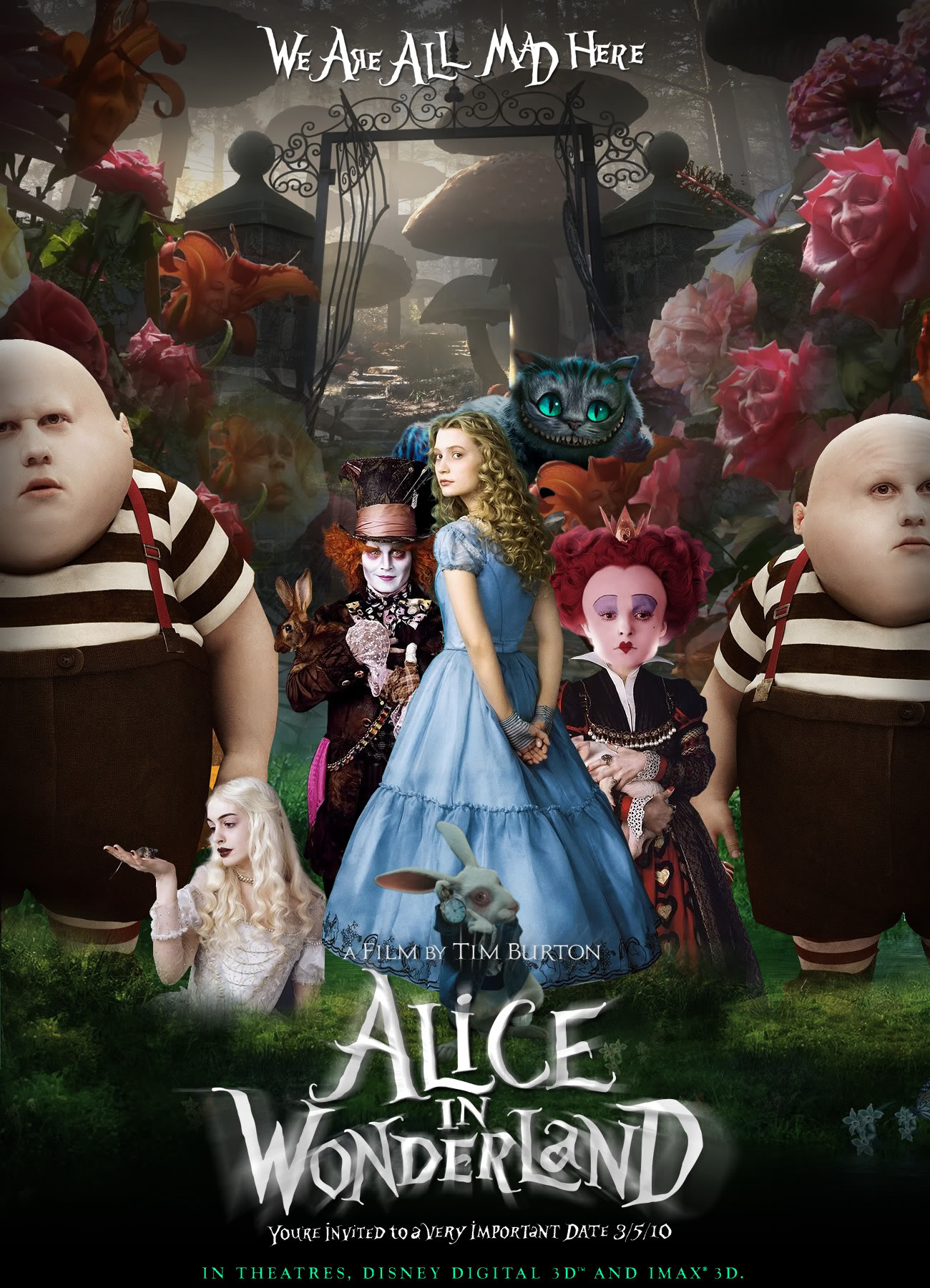
Since its publication in 1865, Alice in Wonderland has captivated audiences with its dreamlike narrative, eccentric characters, and curious logic. From talking rabbits and grinning cats to tea parties and queens shouting “Off with their heads!”, Lewis Carroll’s fantastical world has become a timeless literary classic. But beneath the whimsical surface lies a more complex, and at times, controversial backstory.
In this article, we’ll explore the murky history and debated interpretations of Alice in Wonderland, delve into the life of its creator, and examine the reasons why some aspects of the story have generated controversy over the years. Whether you’re a lifelong fan or a first-time reader, understanding the story behind the story offers a fascinating new lens on this beloved tale.
The Author Behind Alice in Wonderland
Alice in Wonderland was written by Charles Lutwidge Dodgson, who published under the pen name Lewis Carroll. Dodgson was a mathematics lecturer at Christ Church, Oxford, and a man known for his reserved, introverted personality. Though he led a relatively quiet life, his creative imagination flourished through storytelling, photography, and writing.
The inspiration for Alice in Wonderland came during a boating trip on July 4, 1862, when Carroll entertained three young girls with an impromptu fairy tale. One of those girls, Alice Liddell, became the namesake for his heroine, and Carroll later expanded that story into a manuscript titled Alice’s Adventures Under Ground, which evolved into the classic we know today.
Alice Liddell and the Controversy
Much of the controversy surrounding Alice in Wonderland stems not from the story itself but from the nature of Carroll’s relationship with Alice Liddell. Carroll formed close friendships with the Liddell family, particularly the children. Historians and literary critics have debated the appropriateness of his relationship with Alice, who was just 10 years old when the original story was told.
Some scholars argue that Carroll’s affection for Alice Liddell was innocent and reflective of Victorian ideals of childhood and innocence. Others, however, view his obsession with young girls—documented in both his diaries and photography—as potentially problematic, especially when viewed through a modern lens.
Carroll’s surviving letters and diary entries suggest a deep emotional connection with Alice, and some historians speculate he may have proposed marriage to her when she was still a child. Though there’s no conclusive proof, the idea has fueled long-standing debates about Carroll’s intentions and whether Alice in Wonderland reflects more than just innocent fantasy.
Carroll’s Photography: Art or Alarm?
Another controversial element of Lewis Carroll’s life was his passion for photography, particularly of young children. During the Victorian era, photography was still a relatively new medium, and it was not uncommon for families to commission portraits of their children.
Carroll, however, often photographed children—mainly girls—in intimate and sometimes nude poses. While such images were not necessarily scandalous in Victorian artistic circles, they raise ethical questions today. Carroll always sought parental permission, and many families considered the photos tasteful and appropriate. Still, the nature of some of these portraits has led critics to question whether Carroll harbored inappropriate affections.
This controversy continues to color interpretations of Alice in Wonderland, especially among those who seek to analyze the story through a psychological or biographical lens.
Symbolism and Interpretations
Beyond Carroll’s personal life, Alice in Wonderland has been the subject of numerous symbolic and psychoanalytic interpretations. Some of these interpretations have added to the controversy surrounding the story:
-
Psychoanalytic Views: Some scholars view Alice in Wonderland as an exploration of the unconscious mind, filled with Freudian symbolism. The shrinking and growing, strange creatures, and authority figures may reflect repressed desires or childhood anxieties.
-
Drug References: Another theory suggests the surreal imagery in Alice in Wonderland is inspired by psychedelic drug use. References to mushrooms, potions that alter size, and the nonsensical, dreamlike world have led some to believe the book is an allegory for hallucinogenic experiences. While Carroll was not known to use drugs, this interpretation persists, especially in modern popular culture.
-
Political Satire: Others interpret the book as a critique of Victorian society, satirizing everything from the education system to the legal process. The Queen of Hearts’ arbitrary justice system and the Mad Hatter’s tea party can be seen as reflections of social absurdities of the time.
While none of these interpretations are inherently controversial on their own, the cumulative effect is that Alice in Wonderland has become one of the most analyzed and debated books in literary history.
Censorship and Challenges
Despite its global popularity, Alice in Wonderland has not been free from censorship. In 1931, the book was banned in the Hunan province of China, reportedly because it portrayed animals and humans as equals. The Chinese authorities deemed this portrayal “disrespectful” and claimed it could have a negative influence on children.
There have also been challenges to the book in other parts of the world due to perceived drug references or the belief that it encourages defiance of authority. However, most of these challenges have not been upheld, and the book continues to be widely read and taught.
The Legacy of Alice in Wonderland
Despite—or perhaps because of—the controversies, Alice in Wonderland remains a cornerstone of children’s literature and a fixture in popular culture. It has been adapted into films, stage plays, cartoons, and more, each with its own interpretation of Carroll’s wild and wonderful world.
Some adaptations emphasize the darker, more surreal aspects of the story, reflecting the controversies and deeper meanings that scholars have discussed for decades. Others focus on the whimsy and innocence of Alice’s journey, making the tale accessible to children while still engaging adults on a different level.
Whether you view Alice in Wonderland as a charming children’s tale, a veiled critique of Victorian society, or a window into the complex psyche of its creator, there’s no denying its impact on literature and culture.
Final Thoughts
The story of Alice in Wonderland is far more complex than its surface-level whimsy suggests. While the book remains a beloved classic, its backstory is filled with controversial relationships, psychological theories, and heated scholarly debate. The life of Lewis Carroll and his unusual relationship with Alice Liddell continue to raise questions that have no easy answers.
But perhaps that’s part of the enduring appeal. Alice in Wonderland invites us to question, to wonder, and to explore—whether we’re diving into rabbit holes, literary theory, or historical archives. It’s a story that continues to evolve with each generation, keeping us as curious as the girl who followed a rabbit into a world of strange wonders.
Know More: