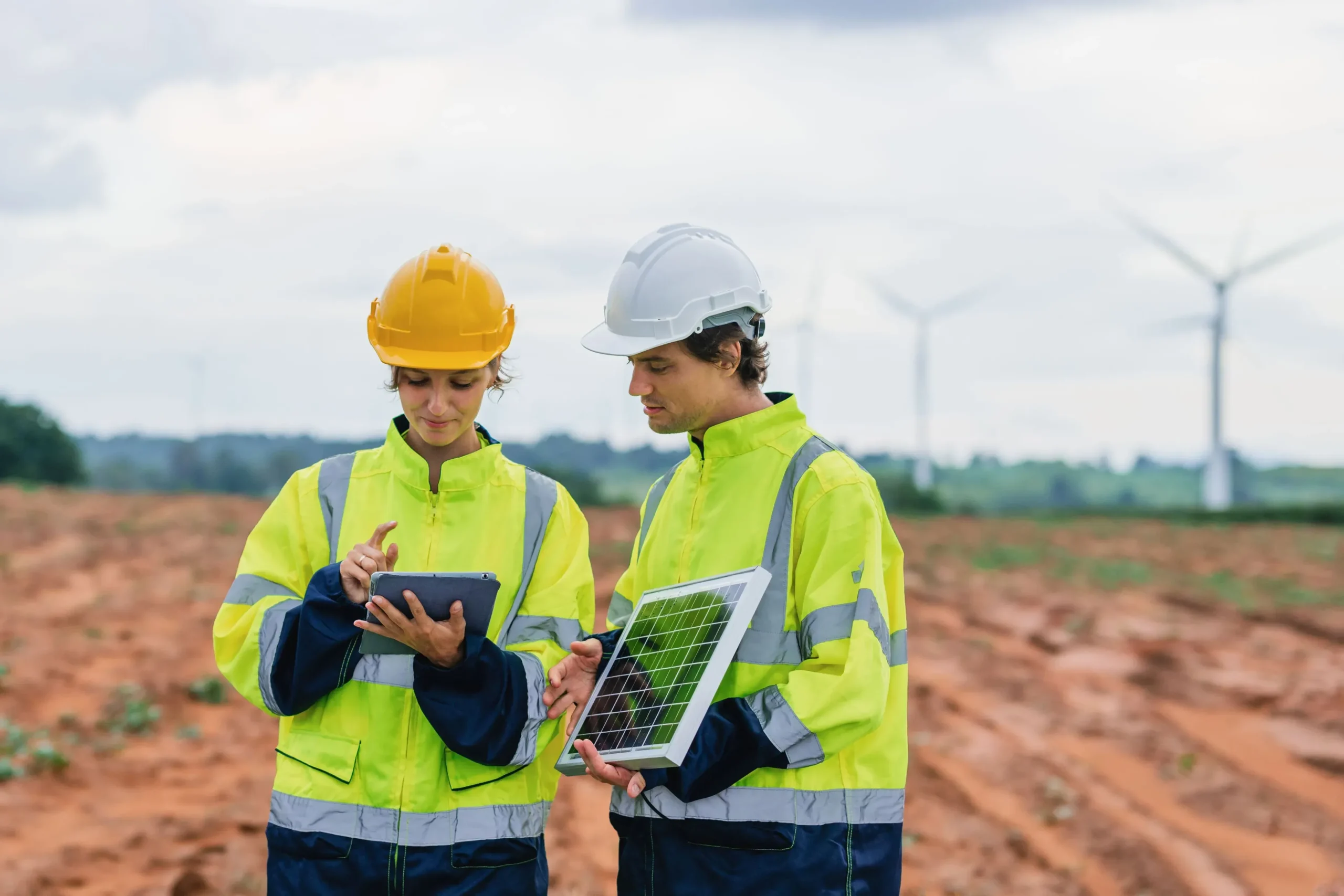
Sustainable tech solutions are no longer a futuristic concept—they are actively shaping how businesses grow, how cities function, and how individuals live more responsibly. Across industries, technology is becoming the bridge between innovation and environmental stewardship.
Ten years ago, sustainability initiatives often felt like side projects. Today, they are central to corporate strategy. Companies are under pressure from regulators, investors, and customers to reduce carbon footprints and operate transparently.
Technology makes this possible at scale. It provides measurable data, predictive insights, and automation tools that reduce waste while maintaining productivity.
This shift marks a fundamental transformation in how economic progress and environmental responsibility coexist.
Table of Contents
ToggleWhy Sustainable Tech Solutions Matter in Today’s Economy
The global economy faces climate volatility, energy instability, and supply chain disruptions. Businesses that ignore environmental risks often encounter financial setbacks.
Sustainable tech solutions help organizations anticipate and adapt to these changes. Energy monitoring systems reduce electricity waste. AI-powered analytics forecast climate risks. Smart supply chains optimize logistics to lower emissions.
Investors are increasingly prioritizing companies with strong environmental, social, and governance practices. Sustainability is directly influencing stock valuations and access to capital.
Organizations that integrate environmental intelligence into decision-making gain a long-term competitive advantage.
Clean Energy Innovation and Sustainable Tech Solutions
Energy production remains one of the largest contributors to greenhouse gas emissions. Transitioning to renewable energy is essential for climate stability.
Solar panels, wind farms, and advanced battery storage technologies are becoming more affordable and efficient. Smart grids use digital sensors to balance electricity loads in real time.
Companies such as Tesla have accelerated innovation in battery storage and electric mobility.
Renewable expansion is also supported by global institutions like International Renewable Energy Agency, which provide research and policy guidance.
These advancements show how sustainable tech solutions combine infrastructure with intelligent data systems to reduce emissions and enhance reliability.
Businesses investing in renewables often see reduced long-term operational costs and improved resilience against fuel price volatility.
Smart Cities Powered by Sustainable Tech Solutions
Urban centers consume significant energy and produce high levels of emissions. Transforming cities is essential for global sustainability.
Cities like Copenhagen have implemented smart transportation networks, renewable energy grids, and green building standards to move toward carbon neutrality.
Traffic sensors reduce congestion. Smart lighting adjusts brightness based on pedestrian activity. Waste management systems use IoT devices to optimize collection routes.
Sustainable tech solutions in cities improve public health by lowering pollution levels and enhancing air quality.
Residents also benefit from better infrastructure planning and reduced energy costs.
Corporate Strategy and Sustainable Transformation
Forward-thinking corporations are embedding sustainability into their operational DNA.
For example, Microsoft has committed to becoming carbon negative, investing in renewable power purchase agreements and carbon removal initiatives.
These commitments are backed by measurable goals and transparent reporting frameworks. Data dashboards track emissions across global operations.
Sustainable tech solutions enable companies to identify inefficiencies in real time and respond quickly.
This integration of sustainability metrics into executive decision-making reflects strong EEAT principles. Experience is demonstrated through case studies. Expertise is shown through advanced analytics. Authoritativeness is built through transparent reporting. Trustworthiness grows when organizations meet their public commitments.
Artificial Intelligence Driving Sustainable Tech Solutions
Artificial intelligence enhances sustainability by making systems smarter and more efficient.
AI models predict equipment failures, reducing downtime and unnecessary resource consumption. In agriculture, machine learning tools analyze soil conditions to minimize water usage.
Logistics companies use predictive algorithms to optimize routes, lowering fuel consumption and emissions.
Sustainable tech solutions powered by AI prove that digital transformation and environmental responsibility can work hand in hand.
By leveraging data at scale, organizations uncover opportunities that traditional processes might overlook.
Sustainable Tech Solutions in Agriculture and Food Production
Agriculture faces the dual challenge of feeding a growing population while reducing environmental impact.
Precision farming technologies use satellite imagery and IoT sensors to monitor crop health. Automated irrigation systems adjust water flow based on real-time weather conditions.
Farmers adopting these technologies report improved yields and lower input costs.
Sustainable tech solutions in food systems also enhance traceability. Consumers can track where products originate, fostering transparency and trust.
This transparency strengthens brand reputation and aligns with sustainability-focused purchasing behavior.
Circular Economy and Waste Reduction
The traditional linear economy model—produce, use, discard—is being replaced by circular strategies.
Technology enables companies to track materials throughout product lifecycles. Advanced recycling facilities use robotics and AI-powered vision systems to sort materials accurately.
Sustainable tech solutions support product redesign for durability and recyclability.
This shift reduces reliance on raw material extraction and decreases landfill waste.
Organizations that adopt circular models often discover cost savings through material recovery and extended product lifespans.
Green Mobility and Transportation Innovation
Transportation accounts for a significant share of global emissions. Electrification is reshaping mobility.
Electric vehicles are supported by expanding charging infrastructure and smart energy management systems.
Public transportation networks are adopting electric buses and rail systems powered by renewable energy.
Sustainable tech solutions in mobility improve urban air quality and reduce noise pollution.
Digital platforms also enable shared mobility models, decreasing the total number of vehicles on the road.
Data Centers and Energy Efficiency
As digital services expand, data centers consume increasing amounts of electricity.
To address this, organizations are deploying energy-efficient cooling systems and renewable-powered facilities.
AI-driven workload management reduces unnecessary server usage.
Sustainable tech solutions in this sector demonstrate how technological growth can align with environmental goals.
Energy transparency and monitoring tools ensure continuous improvement and accountability.
Regulatory Compliance and ESG Reporting
Governments worldwide are introducing stricter environmental regulations.
Environmental, Social, and Governance frameworks require organizations to disclose emissions data and sustainability performance.
Sustainable tech solutions automate data collection and reporting, reducing compliance risks.
Transparent reporting enhances credibility with investors and regulators.
Companies that proactively align with sustainability standards often strengthen their market position.
Financial Performance and Long-Term Value
While initial implementation costs may appear high, long-term benefits are substantial.
Energy-efficient operations reduce utility expenses. Predictive maintenance minimizes unexpected downtime.
Sustainable tech solutions often unlock green financing opportunities and tax incentives.
Investors increasingly recognize sustainability as a driver of resilience and profitability.
Organizations that treat sustainability as a strategic priority rather than a marketing initiative frequently outperform competitors.
Building Organizational Expertise and Trust
Successful sustainability transformation requires internal commitment.
Training programs empower employees to understand environmental metrics and digital tools.
Partnerships with research institutions enhance technical credibility.
Sustainable tech solutions built on strong governance frameworks reinforce trust among stakeholders.
Experience, expertise, authoritativeness, and trustworthiness must remain central to every initiative.
Transparent communication and measurable progress ensure lasting confidence.
Emerging Trends in Sustainable Tech Solutions
Innovation continues to accelerate in areas such as green hydrogen production, carbon capture technology, and advanced battery development.
Digital twins simulate infrastructure performance before implementation, reducing risk and resource waste.
Smart homes use real-time analytics to optimize energy consumption automatically.
Sustainable tech solutions are becoming increasingly integrated into daily life, operating seamlessly in the background.
As climate challenges intensify, technology will continue playing a central role in balancing growth with responsibility.
Sustainability is no longer optional. It is embedded in the architecture of modern innovation, guiding industries toward a cleaner, more resilient future.
Read also:-
kaylannereiis
dk380c4.0-h8 model size
jheniferffc
photoacopanhete
