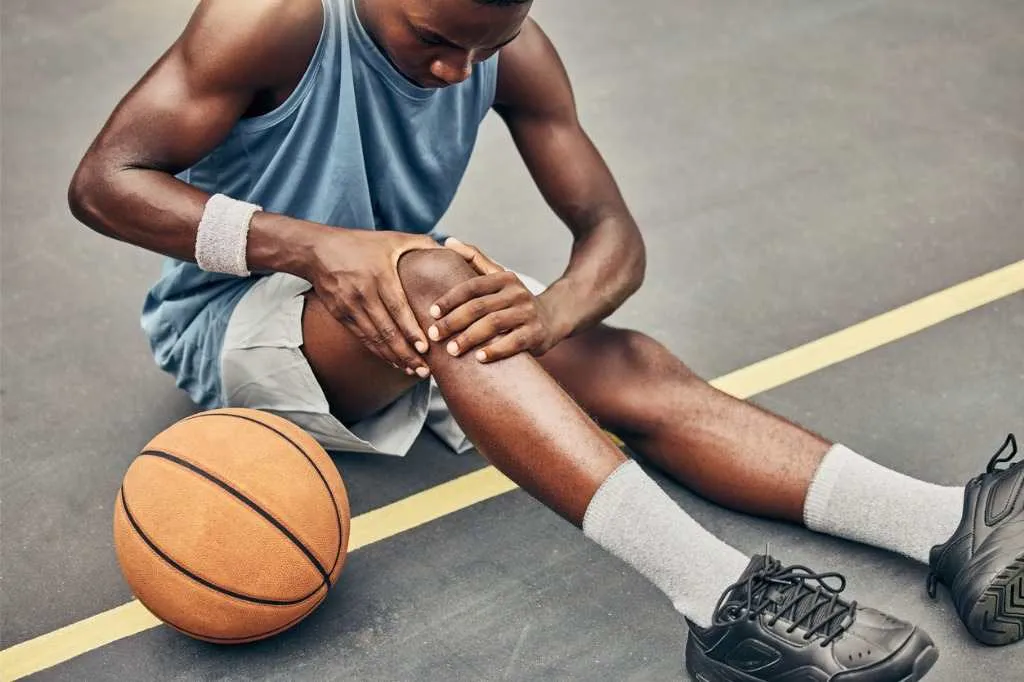
Sports injury recovery is often the toughest opponent an athlete will ever face. Whether you are a weekend runner, a school cricketer, or a professional competing at the highest level, injuries test your patience, discipline, and mental strength just as much as your physical endurance.
Every year, we watch elite athletes go down with injuries and fight their way back. When Virat Kohli dealt with fitness setbacks early in his career, structured rehabilitation played a key role in restoring peak performance. Similarly, football star Kevin De Bruyne returned to top form after a serious hamstring injury through disciplined therapy and gradual reintegration.
Behind every successful comeback lies a carefully planned sports injury recovery process rooted in medical expertise, evidence-based rehabilitation, and consistent effort.
Table of Contents
ToggleUnderstanding the Science Behind Sports Injury Recovery
To truly appreciate sports injury recovery, you need to understand how the body heals.
When a muscle tears or a ligament sprains, your body immediately triggers inflammation. This is not the enemy. It is the first stage of healing. Swelling, redness, and mild discomfort signal that repair is underway.
Recovery generally progresses through three stages. The inflammatory phase protects the injured area. The repair phase rebuilds damaged tissues. The remodeling phase strengthens those tissues so they can handle stress again.
Skipping any phase or rushing the process increases the risk of re-injury. Sustainable sports injury recovery respects biological timelines rather than short-term pressure to return.
Common Types of Sports Injuries
Different sports expose athletes to different risks.
Cricket players in tournaments like the ICC Cricket World Cup frequently face shoulder strains and hamstring injuries due to repetitive bowling and sprinting. Footballers competing in the English Premier League often experience ankle sprains and knee ligament damage.
Basketball athletes in the National Basketball Association commonly deal with ACL tears and Achilles tendon injuries because of explosive jumping movements.
Regardless of sport, sports injury recovery requires accurate diagnosis. Misdiagnosis leads to improper treatment and prolonged downtime.
The Role of Early Intervention in Sports Injury Recovery
Time is critical after an injury.
Immediate care can significantly influence long-term outcomes. The traditional approach of rest, ice, compression, and elevation helps manage swelling in the early hours.
However, modern sports injury recovery methods emphasize controlled movement sooner than previously recommended. Gentle mobility exercises under professional supervision prevent stiffness and muscle loss.
Consulting a qualified physiotherapist or sports medicine doctor ensures a structured recovery plan rather than guesswork.
Athletes who seek expert help early typically return faster and stronger.
Personalized Rehabilitation Plans Matter
No two injuries are identical, even if they appear similar.
A sprained ankle for a marathon runner demands a different approach compared to a basketball player. Sports injury recovery must align with the athlete’s sport-specific demands.
Rehabilitation programs often include strength training, balance exercises, flexibility work, and gradual sport simulation drills.
When tennis legend Rafael Nadal battled recurring injuries, his team tailored rehabilitation around his playing style and workload management.
Personalization ensures that recovery is not just about healing but about preparing for performance.
Nutrition’s Powerful Impact on Sports Injury Recovery
What you eat directly influences how you heal.
Protein supports muscle repair. Omega-3 fatty acids reduce excessive inflammation. Vitamin C and zinc aid tissue regeneration.
Hydration also plays a vital role. Dehydrated tissues are more prone to strain and slower to repair.
Sports injury recovery thrives when nutrition aligns with rehabilitation. Athletes who maintain balanced diets recover more efficiently than those who neglect fueling.
Consulting a sports nutritionist can optimize healing timelines.
Mental Strength During Sports Injury Recovery
Injuries affect the mind as much as the body.
Athletes often experience frustration, anxiety, and fear of losing form. The psychological phase of sports injury recovery is frequently underestimated.
During his rehabilitation periods, Cristiano Ronaldo emphasized mental conditioning alongside physical therapy.
Visualization, goal setting, and structured routines maintain motivation during downtime.
A positive mindset does not eliminate physical challenges, but it strengthens resilience throughout the recovery journey.
Avoiding the Trap of Returning Too Soon
One of the biggest threats to successful sports injury recovery is impatience.
Returning to competition prematurely may result in re-injury, sometimes worse than the original damage.
Athletes should meet specific functional benchmarks before resuming play. Strength symmetry between limbs, pain-free movement, and endurance testing are key indicators.
Rushing recovery might offer temporary relief but often leads to longer absences.
Trusting medical professionals protects long-term performance.
Advanced Therapies in Modern Sports Injury Recovery
Sports medicine has evolved dramatically.
Techniques like platelet-rich plasma therapy, cryotherapy, and hydrotherapy have become common in professional settings.
Elite clubs competing in events like the UEFA Champions League invest heavily in cutting-edge recovery technology.
However, advanced therapy should complement, not replace, foundational rehabilitation exercises.
Evidence-based practice remains the backbone of effective sports injury recovery.
Building Strength to Prevent Future Injuries
Recovery is incomplete without prevention.
Once healing progresses, strengthening surrounding muscles reduces stress on vulnerable joints.
Core stability, proper biomechanics, and flexibility training enhance overall durability.
Sports injury recovery programs often incorporate corrective exercises to address imbalances that contributed to the injury.
Prevention ensures the athlete returns not just healed, but improved.
The Importance of Sleep in Sports Injury Recovery
Sleep is an underrated performance enhancer.
During deep sleep, the body releases growth hormone essential for tissue repair.
Athletes who consistently sleep seven to nine hours experience faster sports injury recovery compared to those with irregular sleep patterns.
Quality rest accelerates muscle regeneration and cognitive restoration.
Establishing a consistent sleep routine is as important as attending therapy sessions.
Real-Life Recovery Story: From Setback to Comeback
A local footballer I once worked with tore his ACL during a district-level tournament.
Initially devastated, he committed to a structured sports injury recovery plan under professional supervision. He followed strength protocols, attended physiotherapy sessions diligently, and focused on nutrition.
Ten months later, he returned stronger than before. His sprint speed improved, and his confidence soared.
His story highlights a crucial lesson. Discipline and patience shape recovery outcomes more than natural talent alone.
Expert Guidance and Trustworthy Sources
EEAT principles emphasize experience, expertise, authoritativeness, and trustworthiness.
When seeking advice for sports injury recovery, rely on certified sports medicine specialists, physiotherapists, and peer-reviewed research.
Avoid social media trends promising overnight healing.
Evidence-based practice protects athletes from misinformation.
Trust is built through consistent results and professional credentials.
Gradual Return-to-Play Protocols
The final phase of sports injury recovery involves reintegration into full training.
This stage includes monitored practice sessions, reduced intensity drills, and performance testing.
Coaches and medical staff collaborate to ensure workload progression is safe.
Athletes who follow structured return-to-play protocols reduce recurrence risk significantly.
Monitoring continues even after returning to competition.
The Long-Term Perspective on Sports Injury Recovery
True recovery extends beyond the absence of pain.
It involves restoring strength, flexibility, endurance, and confidence.
Athletes who embrace sports injury recovery as a comprehensive process often discover improved physical awareness.
Injury can become an opportunity to refine technique, strengthen weaknesses, and build resilience.
With the right support system, scientific guidance, and disciplined commitment, recovery transforms from a setback into a powerful comeback journey.
Read also:
argentina national football team vs venezuela national football team lineups
denmark national football team vs spain national football team lineups
uruguay national football team vs argentina national football team lineups
portugal national football team vs denmark national football team lineups
