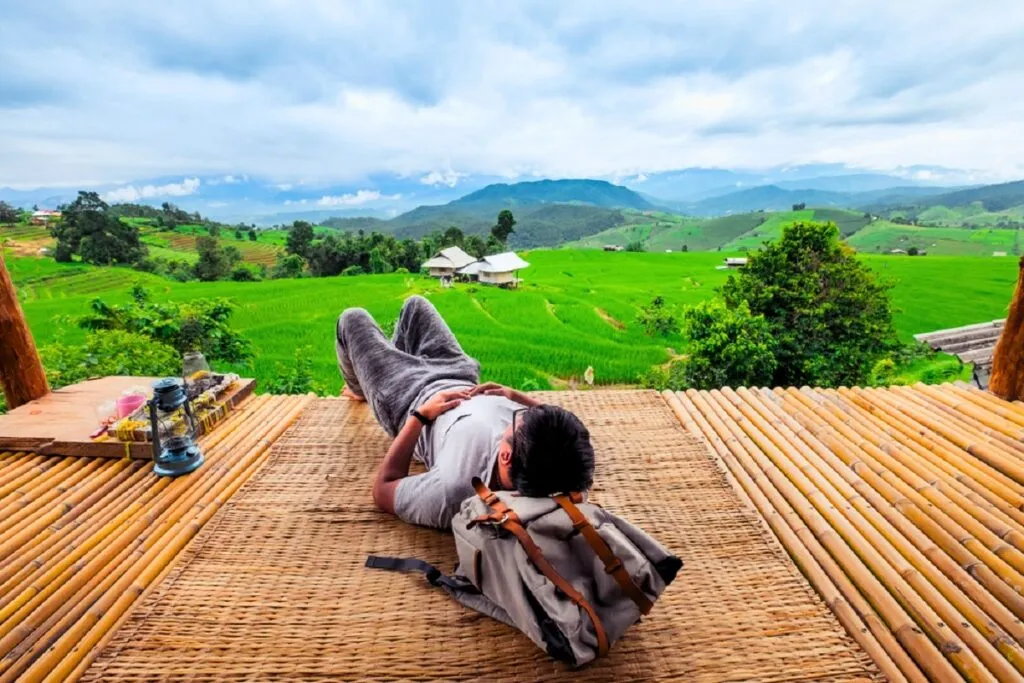
Slow travel lifestyle is not just a trend; it’s a conscious shift in how we experience the world. Instead of racing through destinations with packed itineraries, this approach invites travelers to pause, connect, and truly live in a place—even if only for a short time.
I first understood the power of slowing down during a month-long stay in a small coastal town in southern Italy. Rather than chasing landmarks, I developed routines. Morning espresso at the same café. Evening walks along the harbor. Conversations with shop owners who began greeting me by name.
That rhythm changed everything. Travel no longer felt like consumption. It felt like participation.
In an era where speed defines much of modern life, choosing a slower path can feel almost radical. Yet more travelers are embracing this intentional way of exploring.
What Is the Slow Travel Lifestyle?
At its core, the Slow travel lifestyle emphasizes quality over quantity. It prioritizes meaningful experiences, cultural immersion, and mindful movement rather than ticking off tourist attractions.
Instead of visiting five cities in ten days, you might spend two weeks in one region. You shop at local markets, use public transportation, and learn small details about daily life.
This philosophy traces back to the broader slow movement, which began with slow food initiatives in Italy. The idea was simple: appreciate processes, traditions, and authenticity rather than rushing through experiences.
Applied to travel, it encourages deeper engagement with communities and environments.
Why the Slow Travel Lifestyle Is Gaining Popularity
Modern travel often feels hurried. Budget airlines, tight schedules, and social media checklists push people toward rapid itineraries.
The Slow travel lifestyle offers an alternative. It allows travelers to step away from pressure and comparison.
Remote work has also contributed to this shift. Digital nomads and flexible professionals can stay longer in destinations without sacrificing income.
Environmental awareness plays a role as well. Fewer flights and extended stays reduce carbon footprints and support local economies more sustainably.
This combination of practicality and purpose explains the growing appeal.
Personal Growth Through the Slow Travel Lifestyle
Slowing down changes your internal pace.
When you remain in one place longer, you notice subtle patterns. The bakery that sells out by noon. The quiet hours before sunset. The rhythm of local festivals.
During a six-week stay in northern Thailand, I began volunteering at a community garden. That experience would have been impossible on a short trip.
Living temporarily as a local builds empathy and understanding. You learn to adapt rather than impose expectations.
The Slow travel lifestyle nurtures patience, curiosity, and cultural sensitivity.
Financial Benefits of the Slow Travel Lifestyle
Contrary to popular belief, traveling slowly can be more affordable.
Long-term accommodation discounts reduce nightly costs. Cooking at home instead of dining out daily lowers expenses.
Public transportation passes often provide better value than short-term tickets.
Extended stays also eliminate constant transit costs between cities.
By minimizing frequent travel logistics, the Slow travel lifestyle often becomes financially sustainable for extended journeys.
Cultural Immersion and the Slow Travel Lifestyle
One of the strongest advantages of slower exploration is cultural connection.
Spending weeks in a Spanish village allows you to recognize familiar faces at the market. Over time, conversations deepen.
You may learn traditional recipes, attend community events, or understand local customs beyond surface level.
Authentic immersion builds trust between travelers and residents.
When approached respectfully, the Slow travel lifestyle strengthens mutual appreciation and cultural preservation.
Environmental Impact of the Slow Travel Lifestyle
Sustainability is central to mindful travel.
Frequent flights and short stays contribute significantly to carbon emissions.
Choosing longer stays reduces transportation frequency. Walking or cycling becomes more practical when you are not rushing.
Supporting local producers instead of multinational chains ensures economic benefits remain within communities.
Environmentally conscious decisions align naturally with the principles of slower exploration.
Slow Travel Lifestyle vs Traditional Tourism
Traditional tourism often prioritizes efficiency and convenience.
Tour packages maximize sightseeing within limited timeframes. While this approach works for certain travelers, it can feel overwhelming.
The Slow travel lifestyle shifts focus toward depth rather than speed.
You might skip famous landmarks entirely in favor of neighborhood cafés or scenic walking routes.
This does not mean avoiding popular sites altogether. It simply means engaging with them thoughtfully and without pressure.
Practical Tips for Embracing the Slow Travel Lifestyle
Adopting a slower approach requires intentional planning.
Choose destinations where you feel comfortable staying longer. Look for accommodations that support extended visits.
Build flexibility into your schedule. Avoid overbooking activities.
Establish routines. Regular grocery shopping or morning walks create familiarity.
Research local customs before arrival to demonstrate respect.
The key is presence. Being mentally available enhances every experience.
Remote Work and the Slow Travel Lifestyle
Technology has reshaped travel possibilities.
Reliable internet access enables professionals to work from diverse locations.
Co-living spaces and digital nomad communities have emerged in cities worldwide.
This flexibility makes the Slow travel lifestyle more accessible than ever.
Balancing work and exploration requires discipline. Yet many find that productivity increases when surrounded by inspiring environments.
Living abroad for extended periods also strengthens cross-cultural understanding.
Emotional Well-Being and the Slow Travel Lifestyle
Constant movement can create fatigue.
Packing and unpacking, navigating airports, and adjusting to new accommodations demand energy.
Slower travel reduces these stressors.
Staying longer in one place fosters stability and comfort.
Mindful routines promote emotional balance.
Many travelers report feeling more grounded and relaxed when embracing the Slow travel lifestyle.
Challenges of the Slow Travel Lifestyle
Despite its benefits, slower travel has challenges.
Extended stays may require visas or legal research.
Loneliness can arise without strong social connections.
Balancing productivity with exploration requires discipline for remote workers.
Financial planning becomes crucial for long-term sustainability.
However, these challenges are manageable with preparation and adaptability.
Careful research ensures smooth transitions and informed decisions.
Destinations Ideal for the Slow Travel Lifestyle
Certain locations naturally support extended stays.
Portugal’s smaller coastal towns offer relaxed atmospheres and welcoming communities.
Mexico’s colonial cities combine affordability with rich cultural experiences.
Japan’s rural regions provide peaceful landscapes and strong local traditions.
Within India, hill stations and heritage towns create opportunities for immersive living.
Choosing destinations with strong infrastructure and community engagement enhances long-term comfort.
Building Community Through the Slow Travel Lifestyle
Staying longer allows relationships to form organically.
Joining local classes or volunteering programs fosters connection.
Shared interests often bridge language gaps.
Participating in festivals or neighborhood gatherings strengthens bonds.
The Slow travel lifestyle encourages reciprocity rather than observation.
When travelers invest time, communities often respond with warmth and inclusion.
Technology’s Role in Supporting the Slow Travel Lifestyle
Digital platforms simplify long-term accommodation searches and community engagement.
Language learning apps help build communication skills.
Online forums connect like-minded travelers who share insights and recommendations.
While technology facilitates planning, intentional disconnection enhances presence.
Balancing digital convenience with mindful living supports authentic experiences.
The Future of the Slow Travel Lifestyle
As global travel continues evolving, mindful exploration is gaining recognition.
Environmental concerns, mental health awareness, and flexible work structures encourage slower journeys.
Travelers increasingly seek authenticity rather than status.
The Slow travel lifestyle aligns with these priorities.
It represents a shift from consumption to connection.
By valuing depth over speed, travelers rediscover the original joy of exploration.
Moments become memories not because they are rushed, but because they are fully lived.
Read also:
