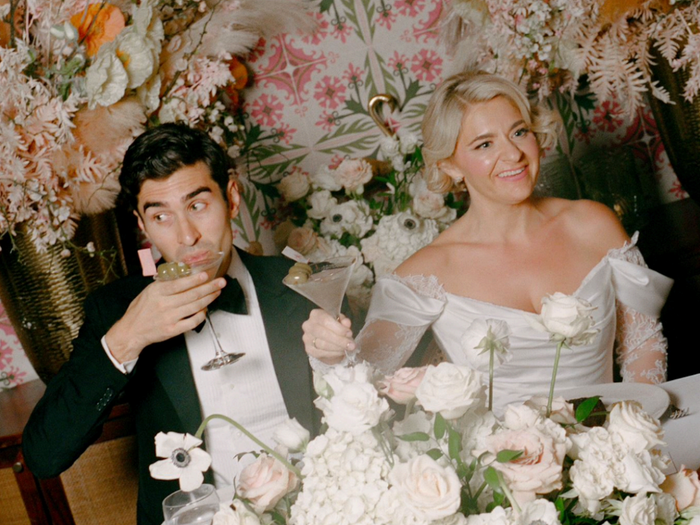
Lavender marriage is a term that often surprises people when they first hear it. Many assume it is simply another type of unconventional relationship, but the truth is far more layered and historically rooted. A lavender marriage typically refers to a union between a man and a woman where at least one partner hides their true sexual orientation, often for social, cultural, or professional reasons.
While the concept might sound unusual today, these marriages have existed for more than a century. They became especially visible during times when public attitudes toward sexuality were far less accepting than they are now. For many individuals, this type of marriage was not about romance but about protection, reputation, and survival.
Understanding the social and emotional dimensions of this arrangement helps us better appreciate the complicated relationship between personal identity and societal expectations.
The Historical Roots of Lavender Marriage
The idea of a lavender marriage gained attention in the early 20th century, particularly during the golden age of Hollywood. At that time, the entertainment industry maintained strict public images for actors and actresses.
Studios often worried that rumors about a celebrity’s sexuality could damage their reputation and career. To protect public perception, some performers entered into lavender marriage arrangements with partners of the opposite sex.
These marriages allowed individuals to appear socially conventional while privately maintaining their real identities. Many couples formed genuine friendships and partnerships even if romantic attraction was absent.
Beyond Hollywood, similar arrangements occurred in other industries and social circles. Society’s strict expectations often left individuals with limited choices, and marriage sometimes became the safest solution.
Why People Entered Lavender Marriages
Understanding why someone might choose a lavender marriage requires empathy and historical context. In earlier decades, revealing one’s true sexual orientation could result in social rejection, job loss, or even legal consequences.
Marriage offered protection.
For some people, entering a lavender marriage meant avoiding discrimination while continuing to live their lives with some level of personal freedom. In certain cases, both partners fully understood the situation and agreed to support each other.
These arrangements were sometimes built on trust, respect, and mutual benefit rather than romantic love.
Imagine two close friends who understand each other’s circumstances. By marrying, they gain social acceptance while quietly maintaining their personal lives. This type of agreement was more common than many people realize.
lavender marriage in Early Hollywood
Hollywood history provides some of the most widely discussed examples of lavender marriages. Film studios during the 1920s through the 1950s carefully managed public images.
Actors were often presented as symbols of traditional romance and charm. Any rumor that conflicted with this image could threaten a career.
Because of this, several celebrities reportedly entered lavender marriage arrangements. These marriages helped maintain a “perfect” public image while protecting personal privacy.
For example, actors sometimes married actresses who were also seeking protection from rumors or social scrutiny. These relationships could last for years and sometimes even appear loving in public.
The audience rarely questioned these unions because public discussion about sexuality was extremely limited at the time.
Social Pressure and Cultural Expectations
Lavender marriages did not exist only in the entertainment industry. In many cultures around the world, marriage has long been viewed as a social expectation rather than a purely personal choice.
Families, communities, and religious traditions often placed enormous pressure on individuals to marry and start families.
In societies where alternative lifestyles were not accepted, people sometimes felt forced to conform to expectations.
A lavender marriage could therefore become a practical compromise. While the relationship might not fulfill traditional romantic ideals, it allowed individuals to maintain dignity, safety, and belonging within their community.
Even today, some individuals face similar pressures, especially in conservative environments where open discussion about sexuality remains difficult.
Emotional Dynamics Within Lavender Marriages
It is easy to assume that lavender marriages were purely strategic arrangements, but the emotional reality was often more complicated.
Many couples developed deep friendships and genuine loyalty toward one another. Living together, managing responsibilities, and facing social pressures together sometimes created a unique bond.
In some cases, partners became each other’s strongest supporters.
Imagine two people who understand each other’s secrets and struggles. Their marriage may not be built on romantic attraction, but it can still involve trust, cooperation, and emotional partnership.
These relationships highlight how marriage itself can take many forms beyond traditional expectations.
lavender marriage in the Modern World
Today, social attitudes toward sexuality have changed significantly in many parts of the world. Legal protections, greater awareness, and cultural conversations have made it easier for people to live openly.
Because of these changes, lavender marriage arrangements are less common in many Western societies.
However, they have not completely disappeared.
In certain communities or countries where social acceptance remains limited, individuals may still feel pressure to hide their identity. For them, marriage can still serve as a protective shield.
At the same time, modern conversations about identity and authenticity have encouraged many people to seek relationships that reflect their true selves.
The contrast between historical necessity and modern openness makes the concept of lavender marriage particularly fascinating.
Media, Pop Culture, and Public Curiosity
In recent years, films, television shows, and documentaries have revisited stories related to lavender marriages.
These narratives often explore the emotional struggles faced by individuals who had to hide their identities in order to succeed or simply survive.
Audiences today are more interested in understanding these hidden histories. Stories about lavender marriage arrangements reveal the pressures created by rigid social expectations.
They also remind us how dramatically cultural attitudes have evolved over time.
Pop culture discussions have helped bring attention to voices that were historically silenced or ignored.
The Difference Between Lavender Marriage and Modern Partnerships
Some people confuse lavender marriages with modern arrangements such as open relationships or marriages of convenience. While these concepts may share certain similarities, their motivations are different.
A lavender marriage usually exists primarily to conceal sexual orientation due to social pressure or discrimination.
Modern partnerships, on the other hand, often involve open communication and personal choice without the need for secrecy.
Understanding this difference is important because it highlights the historical challenges faced by LGBTQ individuals.
For many people in the past, these marriages represented survival rather than lifestyle experimentation.
Personal Identity and Social Survival
One of the most powerful aspects of lavender marriage history is how it reflects the tension between identity and survival.
Human beings naturally want to belong to their communities. When society imposes strict expectations, individuals may feel forced to choose between authenticity and acceptance.
For some people, entering a lavender marriage allowed them to maintain a sense of safety while navigating a world that was not ready to accept them.
While modern society has made progress in many areas, these stories remind us that acceptance and understanding are still evolving processes.
Psychological Impact of Hidden Identities
Living with a hidden identity can have emotional consequences. Many individuals in lavender marriages experienced stress, loneliness, or internal conflict.
Balancing personal truth with public expectations required constant emotional strength.
However, some people found ways to build fulfilling lives despite these challenges. Supportive friendships, creative expression, and shared understanding between partners sometimes helped them cope with the pressures of secrecy.
Exploring these psychological dimensions helps us appreciate the resilience of individuals who lived through such experiences.
Changing Attitudes Toward Relationships
Modern society increasingly recognizes that relationships do not follow a single model. Love, partnership, and commitment can take many different forms.
While lavender marriages emerged from restrictive social environments, today’s conversations focus more on authenticity and mutual understanding.
Younger generations especially tend to prioritize openness, communication, and emotional compatibility when choosing partners.
These evolving attitudes continue to reshape how people think about marriage and relationships.
Cultural Reflections and Ongoing Conversations
The history of lavender marriage remains an important part of social and cultural discussions about identity, equality, and human rights.
These stories reveal how societal expectations can influence deeply personal decisions.
They also show how individuals throughout history found creative ways to navigate difficult circumstances.
Understanding the experiences behind lavender marriage arrangements allows modern audiences to reflect on how far society has progressed and where challenges still remain.
As conversations about identity and relationships continue to evolve, these historical perspectives provide valuable insight into the complex relationship between personal freedom and social acceptance.
Read also:
benching meaning in relationship
intrapersonal communication
lavender marriage
lavender marriage