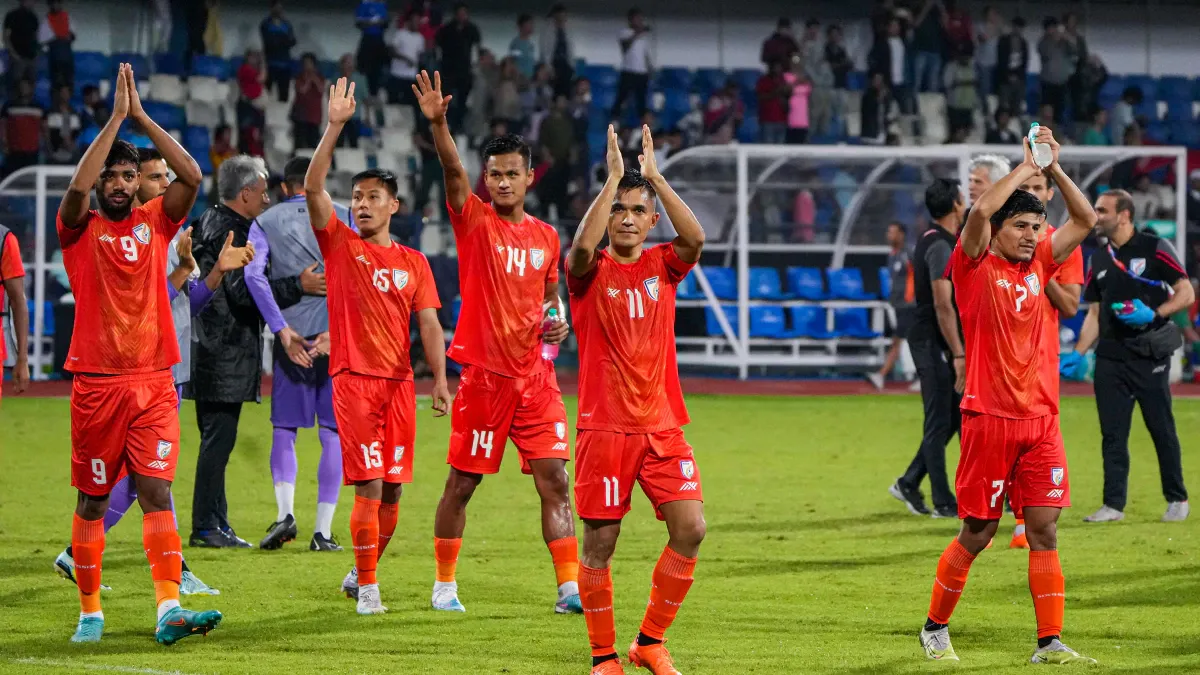
FIFA rankings update always sparks debate among football fans, analysts, and players across the world. Every time the new rankings are released, social media lights up with celebrations, complaints, and endless discussions about who moved up and who slipped down.
Published by FIFA, the official rankings measure the performance of national teams based on match results, competition importance, and strength of opponents. Although numbers cannot fully capture the magic of football, they play a powerful role in shaping tournament draws and global perception.
Understanding how these rankings work helps fans move beyond emotional reactions and see the bigger picture.
How the FIFA Rankings Update Is Calculated
The FIFA rankings update follows a points-based system often referred to as the “SUM” formula. Instead of averaging points over time like older systems, the current model adds or subtracts points based on match outcomes.
Each match carries weight depending on its significance. Friendly matches count less than qualifiers. Continental championships and World Cup matches carry much higher value.
The formula also considers the ranking of the opponent. Beating a top-ranked team earns more points than defeating a lower-ranked side. This ensures fairness and competitive balance.
When Argentina national football team climbed to the top after consistent performances in major tournaments, it wasn’t just about winning. It was about winning important matches against strong opposition.
Why the FIFA Rankings Update Matters
For casual fans, rankings may seem symbolic. For national associations and coaching staff, they are strategically important.
The FIFA rankings update influences seeding in major tournaments such as the FIFA World Cup. Higher-ranked teams are typically placed in favorable pots during draw ceremonies.
This can affect the difficulty of a team’s group stage opponents. A small ranking improvement could mean avoiding a football powerhouse early in a tournament.
Rankings also impact sponsorship visibility and global recognition. A top-10 position increases a nation’s football profile significantly.
Recent Shifts in Global Power
Every FIFA rankings update tells a story of momentum.
In recent cycles, teams like France national football team and Brazil national football team have consistently remained near the top due to strong performances in qualifiers and international tournaments.
Meanwhile, emerging teams from Africa and Asia have steadily climbed, reflecting growing competitiveness outside traditional football strongholds.
These movements demonstrate that international football is becoming more balanced and unpredictable.
Real-Life Impact: A Coach’s Perspective
Imagine being the head coach of a mid-ranked European team. A strong run in qualifiers pushes your squad up five places in the FIFA rankings update.
That jump changes expectations instantly. Media attention increases. Players gain confidence. Sponsors show renewed interest.
On the other hand, a sudden drop can create pressure. Critics question tactics. Fans demand changes.
Rankings are not just numbers; they influence narratives.
Controversies Surrounding the FIFA Rankings Update
Despite its structured formula, the FIFA rankings update is not free from criticism.
Some analysts argue that regional competition strength varies significantly. A team dominating a weaker confederation might climb quickly, while a European team facing tougher opposition may struggle to gain points.
Others point out that friendly matches sometimes distort rankings if heavily rotated squads are used.
FIFA has adjusted the formula over time to improve fairness, but debates continue among football experts.
Such discussions are part of what makes global football analysis so engaging.
How Smaller Nations Benefit
For developing football nations, the FIFA rankings update provides motivation and measurable progress.
A rise of even ten places can energize an entire country. Government funding, youth development programs, and grassroots participation often increase when rankings improve.
For example, African and Asian teams that perform well in continental competitions often see their ranking surge. This visibility encourages international friendlies against stronger nations, accelerating development.
Rankings can serve as a roadmap for growth.
The Psychological Effect on Players
Players closely follow the FIFA rankings update, even if they rarely admit it publicly.
A higher ranking builds belief inside the dressing room. It reinforces that hard work and tactical discipline are paying off.
Conversely, a drop in rankings may push teams to analyze weaknesses more critically.
Professional athletes thrive on measurable goals. Rankings provide one such benchmark at the international level.
The Role of Major Tournaments
Major tournaments dramatically influence the FIFA rankings update.
During events like continental championships or World Cup qualifiers, multiple high-weight matches occur within a short period.
Teams that string together wins during these phases often experience significant ranking jumps. Conversely, early eliminations can cause steep declines.
This dynamic nature keeps the ranking table fluid rather than static.
Comparing Rankings with Real Performance
One frequent debate revolves around whether the FIFA rankings update accurately reflects team strength.
For example, a team might rank highly due to consistent wins but struggle against elite opponents. Meanwhile, another team might be lower-ranked yet perform strongly in knockout tournaments.
Rankings measure consistency over time, not just peak performance.
Understanding this distinction helps fans interpret standings more realistically.
Technology and Data in Modern Rankings
Data analytics now plays a significant role in tracking international performance.
Advanced statistical models analyze possession metrics, expected goals, and defensive structures. While these metrics are not directly part of the FIFA rankings update, they complement ranking analysis.
Broadcasters and analysts combine official rankings with data-driven insights to present a fuller picture of team quality.
The intersection of statistics and sport continues to evolve rapidly.
Media and Fan Reactions
Every FIFA rankings update sparks passionate reactions.
Fans celebrate when their team climbs. Rival supporters mock unexpected drops. Sports talk shows debate fairness and predict future shifts.
Social media amplifies these reactions, turning ranking day into a mini-event in the football calendar.
This engagement keeps global audiences invested between major tournaments.
Strategic Scheduling and Rankings
Some national associations carefully schedule friendly matches to protect their ranking position.
Facing lower-ranked teams carries risk if a draw or loss occurs. Playing stronger teams can offer greater reward.
This strategic planning highlights how influential the FIFA rankings update has become in modern football management.
Coaches balance competitive preparation with ranking protection.
Emerging Trends in International Football
Recent ranking movements reveal broader trends.
South American and European dominance remains strong, yet Asian and African teams are closing the gap steadily.
Youth academies, sports science improvements, and international exposure are contributing to global parity.
The FIFA rankings update acts as a barometer for these shifts in competitive balance.
As football becomes more interconnected, ranking volatility may increase.
Transparency and Trust in the System
Transparency is essential for credibility.
FIFA publishes detailed explanations of its ranking methodology. This openness strengthens trust among national associations and fans.
Clear formulas reduce speculation about bias or favoritism.
While no system is perfect, ongoing adjustments aim to maintain fairness and accuracy.
What the Latest FIFA Rankings Update Signals
The most recent FIFA rankings update reflects stability at the top but growing movement in mid-table positions.
Several nations outside the traditional elite have climbed steadily due to strong qualifying campaigns.
Such progress suggests that global football is entering a more competitive era.
Rankings may fluctuate month by month, but long-term trends reveal deeper transformations in international football structure and development.
Read also:-
atlético madrid vs fc barcelona lineups
inter milan vs psg lineups
psg vs inter milan lineups
east bengal fc vs mohun bagan super giant lineups