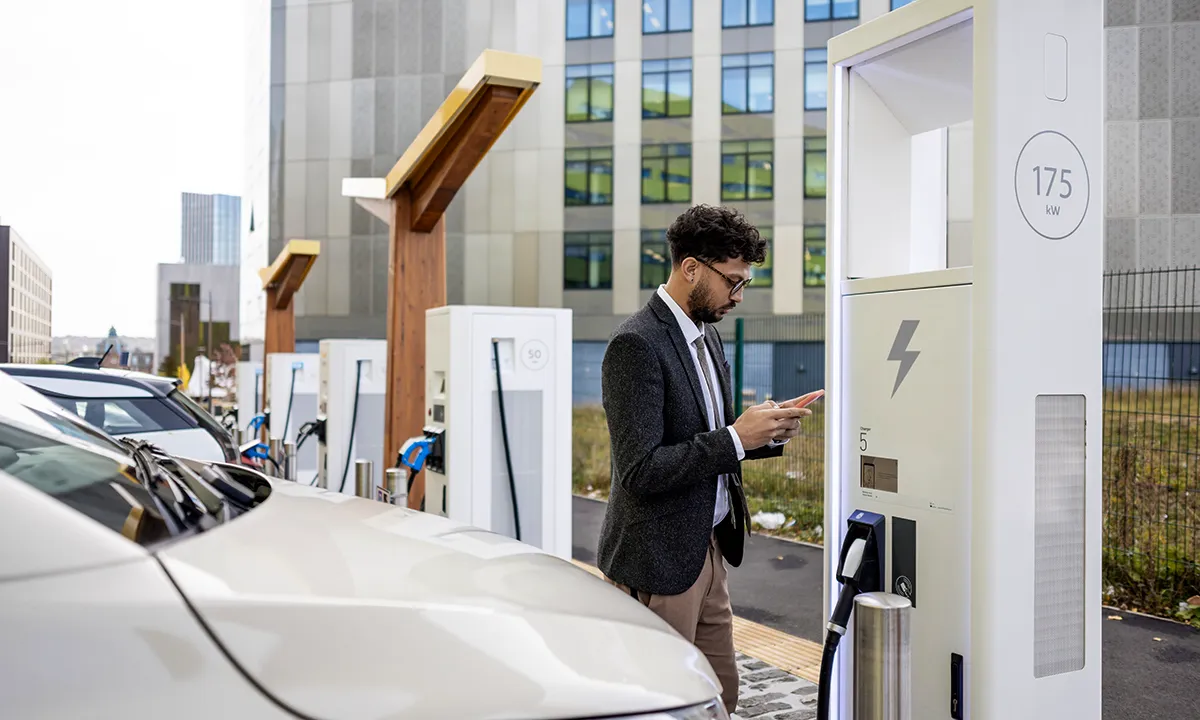
Electric vehicle adoption is transforming the way the world thinks about transportation, energy, and sustainability. What once felt like a futuristic concept is now visible on everyday roads, from compact city cars to electric buses and high-performance SUVs.
Just a decade ago, spotting an electric car in traffic was rare. Today, charging stations are appearing in shopping malls, office complexes, and highways. Families are discussing battery range at dinner tables, and governments are announcing ambitious electrification targets.
This transition is not accidental. It reflects a deeper shift in consumer behavior, technological advancement, and global climate responsibility. As cities battle pollution and fuel prices fluctuate, the move toward electric mobility feels less like a trend and more like an inevitable evolution.
Table of Contents
ToggleThe Global Rise of Electric Mobility
The growth of electric vehicles has been remarkable. Countries across Europe, Asia, and North America are reporting record-breaking EV sales year after year. Policy incentives, falling battery costs, and improved charging infrastructure have all played a role.
In Norway, electric cars account for a majority of new vehicle sales. China leads in total EV production and deployment, while India is accelerating its transition through incentive programs and manufacturing initiatives.
This global momentum demonstrates that Electric vehicle adoption is no longer limited to early adopters or environmental enthusiasts. It has entered the mainstream market, driven by economic logic and environmental urgency.
Why Consumers Are Choosing Electric Vehicles
For many buyers, the decision begins with fuel savings. Rising petrol and diesel prices have made EVs financially attractive over the long term. Charging at home often costs significantly less than refueling at a gas station.
Maintenance is another factor. Electric vehicles have fewer moving parts compared to internal combustion engine vehicles. This reduces servicing costs and mechanical failures.
Beyond economics, environmental awareness influences purchasing decisions. Parents concerned about air quality are increasingly considering electric cars as a healthier alternative for their communities.
As charging networks expand and battery ranges improve, range anxiety is gradually fading. These combined factors are accelerating Electric vehicle adoption across different income groups and regions.
Government Policies Driving Electric Vehicle Adoption
Public policy has been instrumental in shaping market growth. Tax incentives, subsidies, and lower registration fees reduce upfront costs for buyers. In many countries, EV owners also benefit from perks such as reduced toll charges and access to priority lanes.
India’s FAME initiative, the European Union’s emission standards, and the United States’ federal tax credits are examples of structured policy support. These programs send a clear signal to manufacturers and consumers alike.
Long-term regulatory clarity encourages automotive companies to invest heavily in electric platforms. When governments outline clear roadmaps for phasing out fossil fuel vehicles, the private sector responds with innovation and capital.
Strong policy frameworks ensure that Electric vehicle adoption remains aligned with national sustainability goals and economic development strategies.
Technological Advancements Making EVs Practical
Battery technology has evolved rapidly. Lithium-ion batteries now offer longer ranges, faster charging times, and improved durability. Research into solid-state batteries promises even greater efficiency in the near future.
Charging infrastructure is expanding as well. Fast chargers can replenish a significant portion of battery capacity within minutes rather than hours. Home charging solutions are becoming more affordable and user-friendly.
Automakers are also integrating advanced software systems, over-the-air updates, and smart energy management features. These innovations enhance performance and extend battery lifespan.
Technology is not only improving convenience but also reinforcing consumer confidence. Reliable performance builds trust, which is critical for sustained Electric vehicle adoption worldwide.
Environmental Impact and Sustainability
Transportation accounts for a substantial share of global greenhouse gas emissions. Transitioning to electric vehicles reduces tailpipe emissions significantly, especially when paired with renewable energy sources.
Urban centers struggling with smog and poor air quality are seeing measurable improvements where EV penetration increases. Electric buses and delivery fleets reduce noise pollution as well, contributing to quieter city environments.
Critics often highlight battery production emissions, but lifecycle assessments show that EVs generally produce lower overall emissions compared to conventional vehicles over time.
As renewable energy grids expand, the environmental benefits of Electric vehicle adoption become even more pronounced, reinforcing its role in global climate action plans.
Challenges Slowing Down the Transition
Despite impressive growth, several barriers remain. Upfront purchase costs can still be higher than traditional vehicles, particularly in developing economies.
Charging infrastructure gaps in rural or remote areas create uncertainty for long-distance travel. Battery recycling systems are still evolving, and supply chain constraints for raw materials pose potential risks.
Consumer education also plays a role. Misconceptions about battery life, charging time, and resale value sometimes discourage buyers.
Addressing these challenges requires coordinated efforts among governments, manufacturers, energy providers, and research institutions. Transparency and accurate information are essential to maintaining trust.
Industry Transformation and Economic Opportunities
The shift toward electric mobility is reshaping the automotive industry. Traditional manufacturers are investing billions into electric platforms, while new startups are entering the market with innovative designs.
This transformation extends beyond carmakers. Battery manufacturers, charging infrastructure providers, software developers, and renewable energy companies are experiencing rapid growth.
Job markets are adapting as well. Engineers specializing in battery management systems, power electronics, and EV maintenance are increasingly in demand.
As supply chains localize and production scales up, Electric vehicle adoption contributes not only to environmental sustainability but also to economic expansion and technological leadership.
Urban Planning and Infrastructure Evolution
Cities are reimagining transportation infrastructure to support electrification. Public charging networks are being integrated into parking spaces, residential complexes, and commercial zones.
Smart grids enable efficient energy distribution, balancing charging demand with renewable energy supply. Vehicle-to-grid technology allows EVs to feed electricity back into the grid during peak demand.
Urban planners are incorporating EV-friendly policies into zoning regulations and building codes. New residential projects often include mandatory charging provisions.
Infrastructure readiness directly influences consumer confidence. When drivers see accessible charging stations in their daily routines, the transition feels practical rather than experimental.
Real-Life Experiences Fueling Adoption
Stories from early adopters often influence potential buyers. A family switching to an electric SUV may share how monthly transportation costs dropped significantly. A small business owner might explain how electric delivery vans reduced fuel expenses and maintenance downtime.
Taxi drivers in major cities report smoother driving experiences and lower operating costs. Corporate fleets are adopting EVs to align with sustainability commitments and enhance brand reputation.
These real-world examples build social proof. When neighbors and colleagues share positive experiences, hesitation gradually disappears.
Personal narratives make Electric vehicle adoption relatable, moving it beyond policy debates into everyday life decisions.
The Role of Renewable Energy Integration
Electric vehicles become even more impactful when paired with renewable energy. Solar-powered home charging systems are gaining popularity among environmentally conscious homeowners.
Large-scale renewable energy projects reduce the carbon intensity of national grids, amplifying the climate benefits of EV usage.
Energy storage technologies complement EV growth by stabilizing electricity supply. As battery innovation advances, synergies between clean energy and electric mobility strengthen.
The integration of renewables ensures that electrification does not simply shift emissions from tailpipes to power plants but genuinely reduces overall environmental impact.
Consumer Trust and Industry Accountability
Building long-term trust requires transparency from manufacturers and policymakers. Clear communication about battery warranties, recycling programs, and performance metrics reassures buyers.
Independent safety testing and regulatory compliance further strengthen public confidence. Educational campaigns explaining total cost of ownership help consumers make informed decisions.
Expert analysis, peer-reviewed research, and verified data reinforce the credibility of industry claims. Experience, expertise, authority, and trustworthiness remain central to sustainable growth.
Without trust, technological progress alone cannot sustain momentum.
The Future Outlook of Electric Mobility
Automotive innovation shows no signs of slowing. Solid-state batteries, faster charging networks, and advanced autonomous features are already under development.
Emerging markets are expected to witness significant growth as affordability improves. Fleet electrification in logistics and public transport will likely accelerate adoption rates further.
Energy storage breakthroughs could reduce battery costs dramatically, making EVs competitive with traditional vehicles even without subsidies.
The continued expansion of Electric vehicle adoption will depend on collaboration across sectors, technological breakthroughs, and sustained policy support.
Behavioral Change and Cultural Shift
Beyond technology and policy, cultural attitudes are evolving. Younger generations prioritize sustainability and climate responsibility. Car ownership models are shifting toward shared mobility and subscription services.
Social media conversations increasingly highlight eco-friendly lifestyle choices, including electric mobility. Corporate sustainability goals also influence purchasing patterns.
As electric vehicles become normalized, they lose their novelty status and gain everyday practicality. Behavioral shifts reinforce market momentum, creating a self-sustaining cycle of growth.
The narrative surrounding Electric vehicle adoption is no longer about experimentation. It is about transformation, resilience, and a collective commitment to a cleaner, more efficient transportation future.
Read also:
