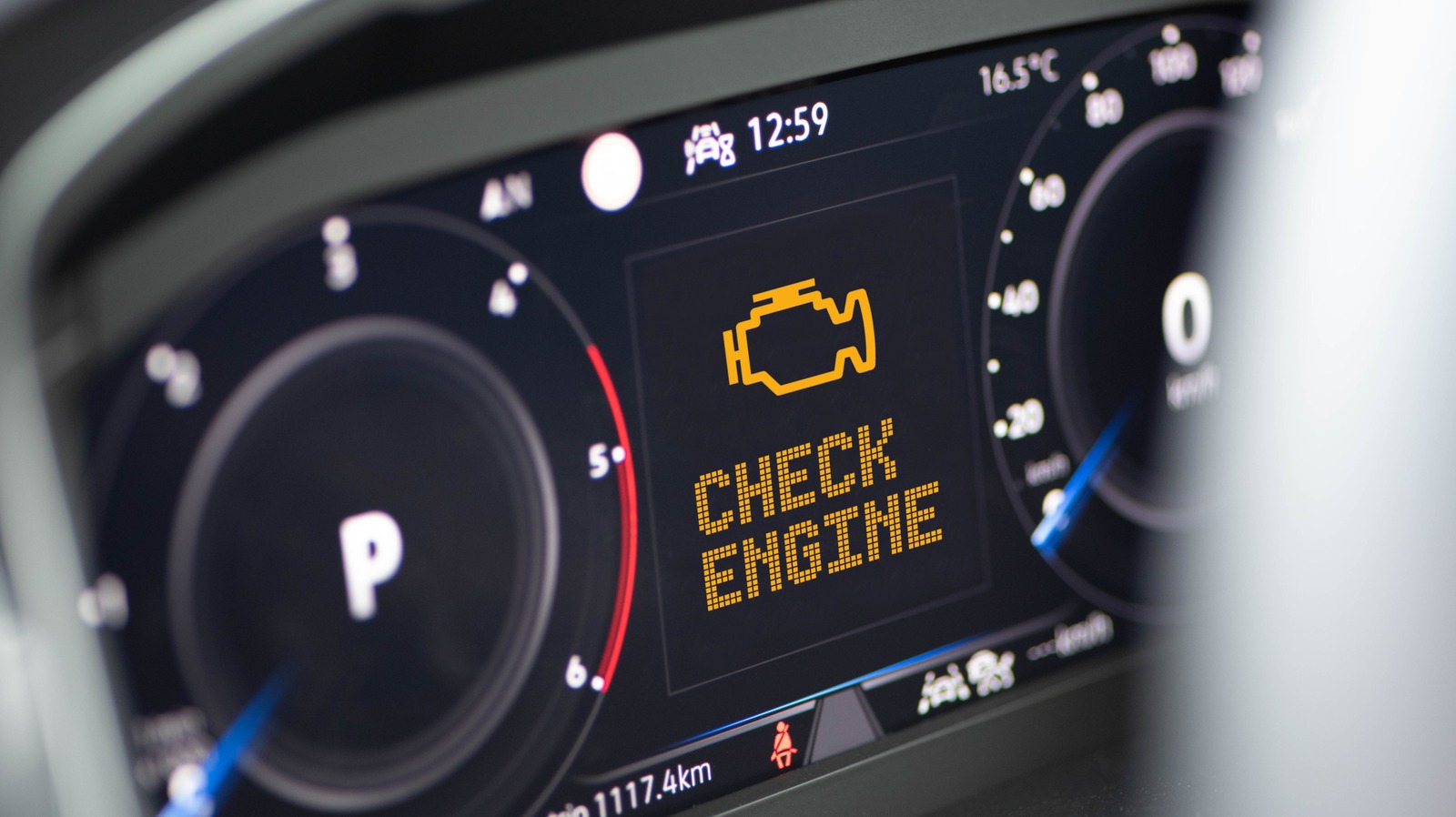
When the check engine light appears on your dashboard, it can instantly cause concern. Many drivers wonder, “does check engine light come on for oil change?” The short answer is: not usually, but there are exceptions. While the check engine light is designed to signal a wide range of issues within your vehicle’s engine or emission system, an overdue oil change can sometimes be indirectly connected.
In this blog post, we’ll break down when and why the check engine light might illuminate, the relationship between oil changes and engine health, and what actions to take if you see this warning. We’ll also go over how this light differs from other maintenance indicators and give you tips to prevent future issues. Whether you’re a new driver or just curious about your vehicle’s warning systems, this guide is designed to be informative, practical, and easy to understand.
What is the Check Engine Light?
The check engine light, also known as the “Malfunction Indicator Lamp” (MIL), is a signal from your car’s onboard computer system (OBD-II) that something is wrong. This system constantly monitors various sensors and components in your vehicle’s engine, transmission, and exhaust.
When a problem is detected, the system stores a diagnostic trouble code (DTC) and turns on the check engine light to alert the driver. Depending on the severity of the issue, the light may stay on solid or flash. A flashing check engine light usually indicates a more serious problem that needs immediate attention.
Does Check Engine Light Come On for Oil Change?
Now, let’s get to the main question: does check engine light come on for oil change? The straightforward answer is: not directly.
Most vehicles are equipped with a separate oil change reminder or maintenance light that is programmed to come on after a certain number of miles or driving hours. This system is based on time or mileage, not sensor readings.
However, in some cases, an overdue oil change can contribute to conditions that might trigger the check engine light. Here’s how:
1. Low Oil Pressure
If your engine oil level is dangerously low or if the oil is severely degraded, it can lead to low oil pressure. This can cause increased engine friction, overheating, or component wear—all of which might trigger the check engine light.
2. Engine Misfires
Dirty or insufficient oil can lead to improper engine lubrication. Without adequate lubrication, engine parts such as the camshaft, lifters, or timing components can malfunction. If the engine misfires as a result, the system may detect the fault and turn on the check engine light.
3. Oil Control Valve Issues
Some engines use a Variable Valve Timing (VVT) system that relies on clean, pressurized oil to function properly. If the oil is dirty or old, it can clog the oil control valve, affecting the timing system and possibly illuminating the check engine light.
Maintenance Light vs. Check Engine Light
It’s important not to confuse the check engine light with the maintenance required light. Here’s the difference:
-
Maintenance Light: This is a routine reminder based on mileage (e.g., every 5,000 miles) and typically signals the need for an oil change, tire rotation, or general inspection. It does not indicate an active fault in your engine.
-
Check Engine Light: This appears when the OBD-II system detects a specific problem affecting emissions or engine performance. While oil condition isn’t directly measured by the OBD-II system, secondary issues caused by neglected oil changes might trigger this light.
So, if you’re asking, “does check engine light come on for oil change?”, the clear takeaway is: the check engine light is not a standard oil change reminder, but oil-related problems can still lead to its activation in some cases.
What Should You Do if the Check Engine Light Comes On?
Step 1: Don’t Panic
If the light is solid and the car seems to be running normally, there’s no need to pull over immediately. However, you should schedule a diagnostic check as soon as possible.
Step 2: Check the Oil Level
Use the dipstick to check your engine oil level. If it’s low, top it up with the recommended oil type. If it’s very dark or thick, consider getting an oil change.
Step 3: Scan for Trouble Codes
You can use an OBD-II scanner to read the error codes from your vehicle’s computer system. Many auto parts stores will do this for free. This will tell you what triggered the light.
Step 4: Visit a Mechanic
Even if the check engine light turns off on its own, it’s best to have your vehicle checked by a qualified mechanic. Ignoring engine warnings can lead to more serious—and expensive—repairs later.
Preventing Check Engine Light from Coming On Due to Oil Issues
To reduce the chances of oil-related problems triggering your check engine light, follow these tips:
-
Change your oil on schedule. Stick to the interval recommended by your car’s manufacturer (usually every 5,000 to 7,500 miles).
-
Use the right oil. Always use the oil grade specified in your vehicle’s manual.
-
Monitor oil levels. Check your oil at least once a month, especially before long trips.
-
Replace the oil filter. Always change the oil filter when you change the oil to prevent clogging.
-
Pay attention to the maintenance light. Don’t ignore routine maintenance alerts; they are there to keep your engine running smoothly.
Common Myths About Check Engine Lights and Oil Changes
Myth 1: The check engine light is just a reminder to change your oil.
False. That’s what the maintenance light is for. While oil issues can cause check engine problems, it’s not a dedicated oil change alert.
Myth 2: If you reset the light, the problem goes away.
False. Resetting the light without fixing the issue doesn’t solve anything. The problem can return—or worsen—if left unchecked.
Myth 3: You can ignore the check engine light if the car is driving fine.
False. Some issues may not show immediate symptoms but can still harm your engine or reduce fuel efficiency over time.
Frequently Asked Questions (FAQs)
1. Does check engine light come on for oil change every time?
No, the check engine light does not automatically come on for an oil change. However, if the oil is very dirty, low, or causing engine performance issues, it could trigger the light.
2. How can I tell if my car just needs an oil change or if something is seriously wrong?
Check your oil level and look for a maintenance reminder light. If only the check engine light is on, scan the system for trouble codes or consult a mechanic to identify the cause.
3. Can I keep driving if the check engine light is on after an oil change?
If the car is running normally and the light is solid (not flashing), it’s usually safe to drive short distances. Still, it’s important to get the issue diagnosed as soon as possible.
Conclusion
So, does check engine light come on for oil change? Not by design—but neglecting oil maintenance can lead to engine problems that might trigger this warning light. Understanding the difference between the check engine light and other dashboard indicators can help you take the right actions at the right time.
By staying on top of regular oil changes, using the correct oil type, and addressing any warning signs promptly, you can avoid costly repairs and keep your car running smoothly. Whether you’re a seasoned driver or just starting out, knowing what your car is trying to tell you will make your driving experience safer and more reliable.
Read More :-