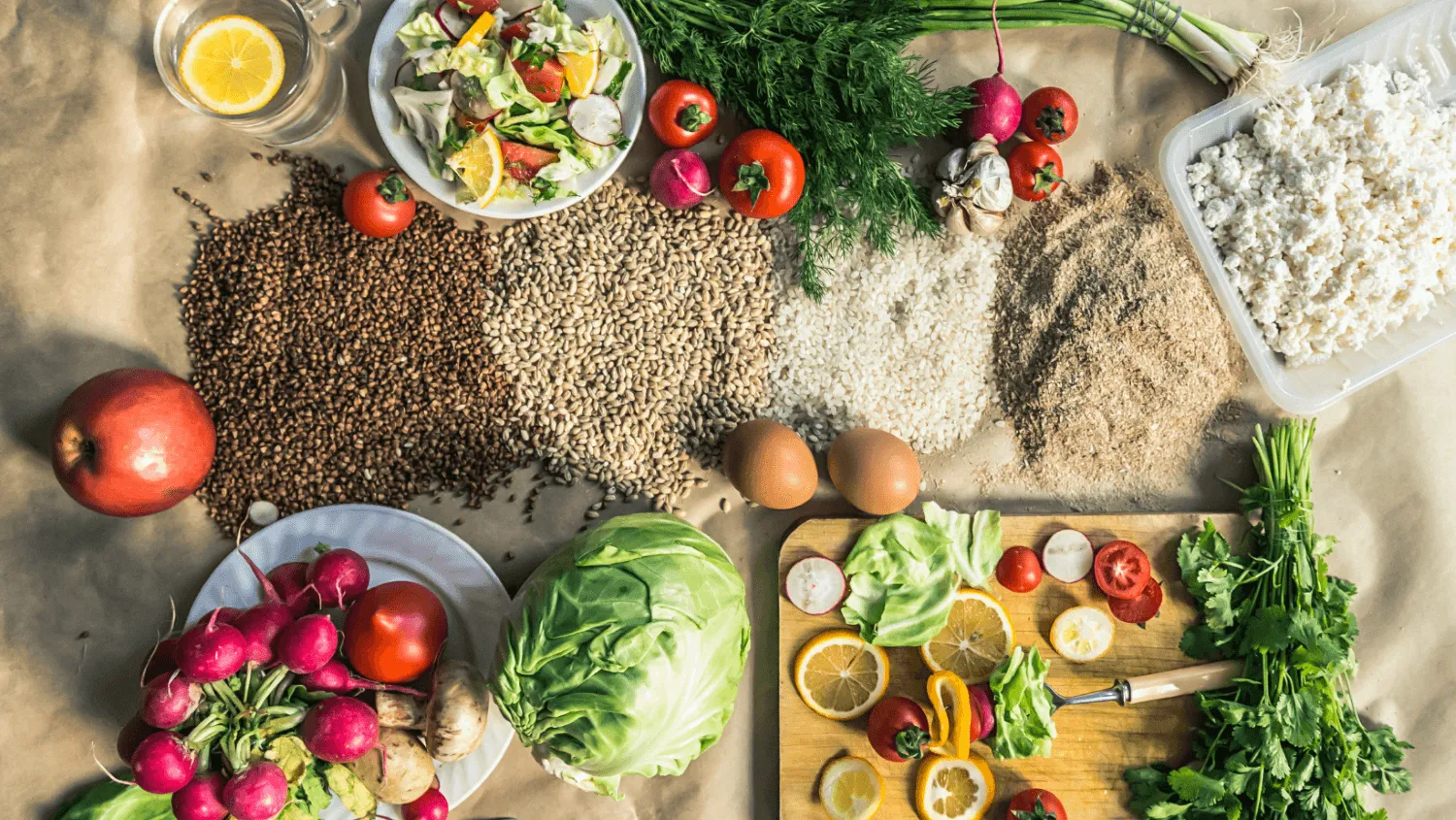
Clean label foods are no longer a niche preference for health-conscious shoppers; they have become a defining force in how modern consumers choose what to eat. A quick glance at grocery shelves today reveals a growing demand for simplicity, transparency, and honesty in food labeling. People are no longer satisfied with vague ingredient lists or hard-to-pronounce additives. They want to know what is in their food and why it is there.
This shift did not come from marketing alone. It grew from lived experiences. Parents reading labels for their children, professionals managing long workdays, and individuals dealing with food sensitivities all began asking the same question. What am I really eating? That question sparked a movement that continues to influence food manufacturing, retail, and consumer trust.
Clean labeling is not about perfection or strict rules. It is about clarity. When food feels understandable, people feel empowered. That sense of control is at the heart of why clean labeling resonates so deeply across cultures and age groups.
Understanding What Clean Label Really Means
The term clean label often sounds simple, yet it carries significant meaning. At its core, it reflects a commitment to using ingredients that are familiar, minimally processed, and clearly disclosed. Consumers associate clean labeling with foods that resemble what they might prepare at home.
This does not mean every product must be organic or free from all processing. Instead, it means avoiding unnecessary additives, artificial colors, and synthetic preservatives when possible. Transparency is the defining factor. People want ingredient lists that tell a story they can follow.
Trust plays a central role here. When consumers feel that brands are honest, they are more likely to build long-term loyalty. That trust is earned through consistency, openness, and a willingness to explain choices rather than hide behind technical jargon.
Why Consumers Are Actively Choosing Clean Label Foods
Modern consumers are more informed than ever before. Access to nutrition research, documentaries, and expert opinions has reshaped expectations. People now understand that food quality impacts energy levels, digestion, mood, and long-term health.
Many shoppers can recall moments when they flipped over a package and felt confused or uneasy about what they saw. That discomfort often leads to searching for alternatives that feel safer and more natural. Clean labeling answers that need by removing ambiguity.
There is also an emotional element. Choosing food that feels honest creates peace of mind. It reduces anxiety around eating and supports a healthier relationship with food, which is something nutrition experts increasingly emphasize.
Clean label foods and Ingredient Transparency
Transparency is the foundation of the clean label movement. Consumers want ingredient lists that read like a conversation rather than a chemistry exam. Familiar items such as flour, oil, salt, and natural flavors feel approachable and reassuring.
This transparency also supports informed decision-making. People with allergies, intolerances, or specific dietary preferences rely on clear labels to protect their health. When brands prioritize clarity, they demonstrate respect for their audience.
From an EEAT perspective, transparency builds authority and trustworthiness. Brands that openly share sourcing practices and ingredient purposes position themselves as credible partners in consumer wellness rather than distant manufacturers.
The Role of Trust and Experience in Clean Label Choices
Trust does not appear overnight. It is built through repeated positive experiences. When consumers try a product labeled clean and feel good after eating it, that experience reinforces belief in the brand and the concept itself.
Many people share similar stories. Switching to simpler products often leads to fewer digestive issues or more stable energy levels. While results vary, these experiences matter. They shape perception and influence future buying decisions.
Expert voices support these observations. Dietitians and food scientists often emphasize that reducing unnecessary additives can benefit overall dietary quality. This alignment between expert guidance and consumer experience strengthens the credibility of clean labeling.
How Clean Label Influences Product Innovation
Clean labeling has pushed food manufacturers to rethink how products are formulated. Instead of relying on artificial stabilizers or enhancers, companies are exploring natural alternatives and traditional techniques.
This innovation requires expertise and investment. Reformulating products without compromising taste or shelf life is challenging. Brands that succeed demonstrate both technical skill and commitment to consumer values.
As a result, clean labeling has become a catalyst for creativity. It encourages collaboration between food scientists, nutrition experts, and culinary professionals, ultimately improving the quality of products available on the market.
Clean label foods in Everyday Life
Clean labeling is not limited to specialty stores or premium price points anymore. It has entered everyday shopping routines. From breakfast items to snacks and beverages, consumers expect clarity across categories.
Busy families appreciate being able to quickly scan labels and feel confident in their choices. Professionals value foods that support focus and digestion without unnecessary additives. These practical benefits make clean labeling relevant beyond health-focused circles.
Over time, this familiarity normalizes clean label expectations. What once felt like an upgrade now feels like a baseline requirement for many shoppers.
The Connection Between Clean Labels and Health Awareness
Health awareness has evolved from calorie counting to ingredient quality. People are less focused on numbers and more interested in how foods make them feel. Clean labeling aligns with this shift by emphasizing quality over complexity.
Whole ingredients and minimal processing often support better digestion and nutrient absorption. While clean labeling does not guarantee health, it creates a foundation for more mindful eating habits.
Healthcare professionals increasingly acknowledge that simplicity in food choices can support long-term wellness. This perspective reinforces the authority behind clean labeling without making unrealistic promises.
Marketing Versus Meaning in Clean Label Claims
As clean labeling grows in popularity, so does the risk of misuse. Some brands adopt the language without fully embracing the principles. This has made consumers more cautious and discerning.
Experienced shoppers look beyond front-of-package claims and examine ingredient lists closely. They rely on personal knowledge, expert advice, and past experiences to assess authenticity.
This scrutiny pushes the industry toward higher standards. Brands that genuinely commit to clean labeling stand out, while those that rely on vague claims lose credibility over time.
Clean label foods and Sustainability Values
Clean labeling often intersects with sustainability, although they are not identical concepts. Many consumers associate simpler ingredient lists with responsible sourcing and reduced environmental impact.
When brands highlight where ingredients come from and how they are processed, it strengthens consumer trust. This openness aligns with broader values around ethical production and environmental responsibility.
Sustainability experts often note that transparency encourages accountability. Clean labeling becomes part of a larger conversation about how food systems affect both human and planetary health.
How Clean Label Shapes Consumer Confidence
Confidence in food choices affects overall well-being. When people trust what they eat, they experience less stress and guilt around meals. Clean labeling supports this confidence by removing uncertainty.
This psychological benefit is often overlooked but deeply impactful. Food should nourish both body and mind. Clear labeling allows people to enjoy meals without second-guessing their decisions.
From an EEAT standpoint, this reinforces the importance of experience and trust. Real-world confidence matters just as much as scientific backing.
The Future Outlook of Clean Label Foods
Clean labeling is not a passing trend. It reflects a fundamental change in consumer expectations. As education and awareness continue to grow, transparency will remain a non-negotiable standard.
Future innovations will likely focus on improving taste, texture, and shelf stability using natural methods. Advances in food science will support these goals while maintaining label simplicity.
This evolution will continue to shape how brands communicate, how products are developed, and how consumers engage with food on a daily basis.
Clean label foods as a Reflection of Modern Values
Food choices often reflect deeper values. Clean labeling represents a desire for honesty, simplicity, and connection. It mirrors a broader cultural shift toward mindfulness and intentional living.
People want food that aligns with their lifestyles without demanding perfection. Clean labeling offers a flexible framework rather than rigid rules, making it accessible and sustainable.
Read also :-
one8 commune, gurgaon menu
list harga gacoan
taj hotel lunch price
menu minuman di gacoan