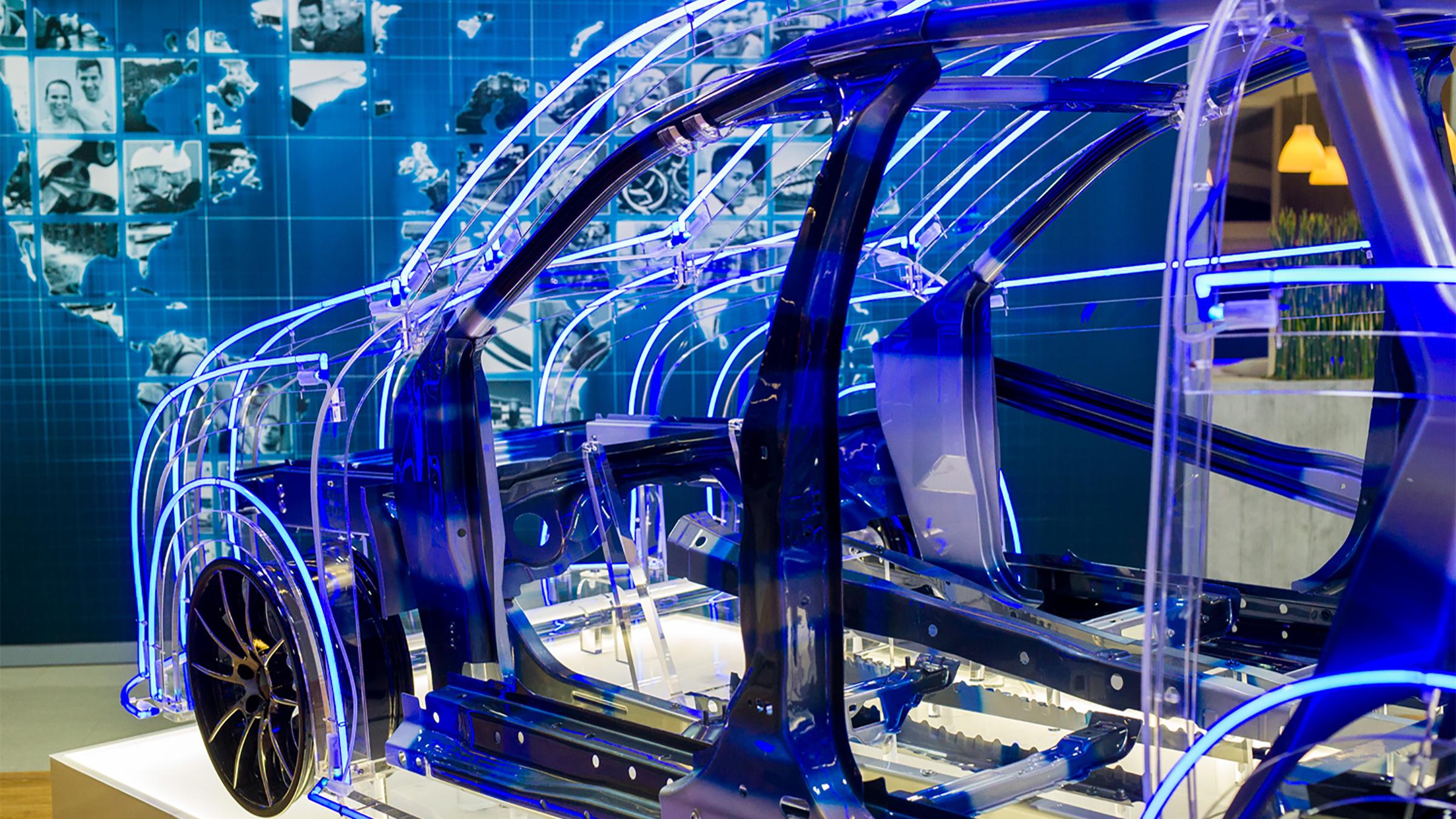
Automotive innovation is changing the way people think about transportation, safety, and mobility across the world. From electric vehicles to intelligent driver-assistance systems, the automotive industry is evolving faster than at any other time in history.
Just a few decades ago, cars were mostly mechanical machines. Drivers relied on basic gauges, manual controls, and traditional engines that had changed very little for years. Today, vehicles are becoming advanced digital platforms powered by software, sensors, and artificial intelligence.
Many drivers now experience features that once seemed futuristic. Cars can automatically brake to avoid collisions, park themselves, and even update their software wirelessly like smartphones.
This transformation is not happening by accident. It is the result of continuous research, engineering breakthroughs, and global collaboration among manufacturers, technology companies, and researchers.
As the world faces challenges such as climate change, urban congestion, and rising fuel costs, Automotive innovation is becoming one of the most important forces shaping the future of mobility.
Table of Contents
ToggleThe Evolution of Automotive Technology
The journey of modern transportation has been shaped by constant technological improvement. Early automobiles focused primarily on mechanical reliability and engine efficiency.
As vehicles became more common, manufacturers began adding features that improved comfort and safety. Seat belts, anti-lock braking systems, airbags, and power steering gradually became standard in most vehicles.
The introduction of electronics marked a turning point in the automotive industry. Microprocessors allowed cars to monitor engine performance, manage fuel injection, and detect mechanical problems more accurately.
Over time, digital technology expanded into every part of the vehicle. Navigation systems, infotainment screens, and advanced sensors began transforming cars into connected machines.
This ongoing progress shows how Automotive innovation continues to reshape transportation by combining engineering, electronics, and software development.
How Automotive Innovation Is Transforming Vehicle Safety
Safety has always been one of the most important priorities in vehicle design. Over the past decade, technological advancements have dramatically improved the ability of cars to prevent accidents.
Modern vehicles use cameras, radar, and lidar sensors to observe their surroundings in real time. These systems help drivers detect obstacles, pedestrians, and other vehicles that might otherwise be missed.
One example is automatic emergency braking, which can slow or stop a vehicle if a potential collision is detected. Lane-keeping assistance helps prevent vehicles from drifting out of their lanes during long highway journeys.
These technologies do not replace the driver, but they act as intelligent assistants that enhance awareness and reduce human error.
The rapid growth of these systems demonstrates how Automotive innovation is not only improving convenience but also saving lives by reducing road accidents worldwide.
Electric Vehicles and the New Energy Revolution
Perhaps the most visible transformation in transportation today is the rise of electric vehicles. Governments, manufacturers, and consumers are increasingly embracing electric mobility as a cleaner alternative to traditional gasoline engines.
Electric cars operate using battery-powered motors rather than internal combustion engines. This design significantly reduces carbon emissions and lowers long-term fuel costs.
Advances in battery technology are also improving driving range and charging speed. Modern electric vehicles can travel hundreds of kilometers on a single charge, making them practical for everyday use.
Charging infrastructure is expanding rapidly in many countries, allowing drivers to recharge their vehicles at home, at work, or at public charging stations.
These developments highlight how Automotive innovation is driving the global transition toward sustainable transportation.
The Rise of Connected Cars
Connectivity is becoming a key feature of modern vehicles. Cars are no longer isolated machines; they are now connected to the internet, cloud services, and other vehicles on the road.
Connected cars can provide real-time traffic updates, navigation assistance, and remote diagnostics. Drivers can even control certain vehicle functions through mobile applications.
For example, some vehicles allow drivers to start the engine, adjust climate settings, or locate their car using a smartphone.
Automakers are also developing vehicle-to-vehicle communication systems that allow cars to share information about road conditions, accidents, and traffic patterns.
This level of connectivity represents a major step forward in Automotive innovation, making transportation smarter and more efficient.
Artificial Intelligence in Modern Vehicles
Artificial intelligence is playing an increasingly important role in the development of modern automobiles. AI systems analyze large amounts of data collected from sensors, cameras, and driving patterns.
This information allows vehicles to make quick decisions that improve safety and driving efficiency.
Driver assistance features such as adaptive cruise control, traffic sign recognition, and driver fatigue detection rely heavily on AI algorithms.
In the future, artificial intelligence may also help optimize traffic flow in cities by coordinating communication between vehicles and infrastructure.
The integration of AI into transportation systems demonstrates how Automotive innovation is blending computer science with traditional engineering to create smarter vehicles.
Autonomous Driving and the Future of Mobility
Self-driving technology is one of the most ambitious developments in modern transportation. Engineers and researchers are working toward vehicles that can operate without human intervention.
Autonomous cars rely on a complex network of sensors, high-precision maps, and artificial intelligence to navigate roads safely.
Although fully autonomous vehicles are still under development, many cars already include partial automation features such as adaptive cruise control and automated parking.
These systems represent early steps toward a future where vehicles may handle most driving tasks independently.
The progress being made in autonomous systems highlights how Automotive innovation continues pushing the boundaries of what vehicles can do.
Sustainable Manufacturing and Eco-Friendly Design
Innovation in the automotive industry extends beyond vehicle performance. Manufacturers are also rethinking how cars are produced and how materials are sourced.
Many companies are investing in sustainable manufacturing processes that reduce waste, energy consumption, and carbon emissions.
Recycled materials are increasingly being used in vehicle interiors, while lightweight materials such as aluminum and carbon fiber help improve efficiency.
Manufacturers are also developing battery recycling technologies to reduce the environmental impact of electric vehicles.
These initiatives show that Automotive innovation is not just about advanced technology but also about responsible production and environmental stewardship.
Digital Experiences Inside the Modern Vehicle
The interior of modern vehicles has transformed dramatically over the past decade. Traditional dashboards with mechanical gauges are being replaced by digital displays and interactive touchscreens.
Drivers can now access navigation, entertainment, and vehicle settings through intuitive digital interfaces.
Voice assistants are also becoming common in many vehicles, allowing drivers to control features using simple spoken commands.
Passengers benefit from improved connectivity as well, with onboard Wi-Fi, streaming services, and smartphone integration becoming standard features.
These digital experiences reflect how Automotive innovation is redefining what drivers expect from their vehicles.
Real-World Impact of Automotive Innovation
Technological progress in transportation is already having a noticeable impact on everyday life. Commuting is becoming safer, navigation is more efficient, and vehicles are producing fewer emissions.
Many cities are adopting smart transportation systems that integrate connected vehicles, traffic sensors, and intelligent infrastructure.
Ride-sharing platforms and electric mobility solutions are also transforming how people access transportation.
These changes illustrate the practical benefits of Automotive innovation, which continues to improve mobility in both urban and rural environments.
The Role of Research and Engineering Expertise
Behind every new automotive technology lies years of research, testing, and collaboration among engineers, scientists, and designers.
Automotive companies invest billions of dollars in research and development to create safer, more efficient vehicles.
Engineers conduct extensive simulations, crash tests, and real-world trials to ensure that new technologies meet strict safety standards.
Universities and research institutions also contribute to advancements in areas such as battery chemistry, artificial intelligence, and materials science.
This dedication to expertise and continuous learning reflects the principles of experience, expertise, authority, and trust that guide the future of Automotive innovation.
How Consumers Are Influencing Automotive Innovation
Drivers themselves play a significant role in shaping the direction of transportation technology. Consumer demand for safer, cleaner, and more connected vehicles encourages manufacturers to accelerate innovation.
For example, the growing popularity of electric vehicles has pushed automakers to expand their electric product lines and invest heavily in battery research.
Similarly, demand for advanced safety features has led to widespread adoption of driver-assistance technologies across different vehicle segments.
Consumer expectations continue to evolve as technology becomes more integrated into everyday life.
As drivers seek smarter, more sustainable mobility solutions, Automotive innovation will continue evolving to meet these expectations and redefine the driving experience.
Read also: