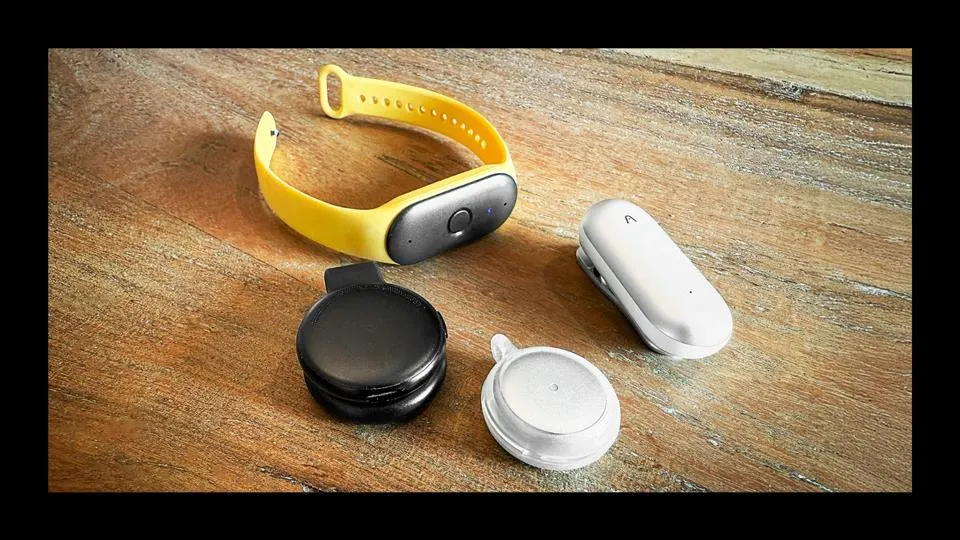
AI wearable devices are rapidly becoming an integral part of how we monitor health, enhance productivity, and interact with technology in daily life. From smartwatches that detect irregular heart rhythms to AI-powered glasses that provide real-time navigation, these intelligent wearables are reshaping how humans live, work, and stay connected.
In recent years, wearable technology has evolved from simple step counters to sophisticated AI-driven companions that learn user behavior, predict health risks, and offer personalized recommendations. As artificial intelligence continues to advance, wearable devices are becoming smarter, more proactive, and deeply integrated into personal and professional environments.
This in-depth guest post explores the rise of AI wearables, their real-world applications, benefits, challenges, and future potential, based on EEAT principles—experience, expertise, authoritativeness, and trustworthiness—to ensure high-quality, reliable content ready for publication.
Table of Contents
ToggleUnderstanding AI Wearable Devices and How They Wor
AI wearable devices are smart gadgets worn on the body that use artificial intelligence to analyze data, learn user patterns, and deliver personalized insights. These devices typically include sensors, processors, connectivity modules, and AI algorithms that work together to provide intelligent feedback.
Wearable sensors collect data such as heart rate, motion, sleep patterns, body temperature, and environmental conditions. AI algorithms process this data locally or in the cloud to detect patterns and predict outcomes. For example, a smartwatch may use AI to detect atrial fibrillation or predict stress levels based on biometric data.
The real power of AI wearables lies in their ability to learn continuously. Unlike traditional devices, AI-driven wearables adapt to user behavior, improving accuracy and personalization over time.
AI Wearable Devices in Healthcare and Wellness
Healthcare is one of the most transformative areas for AI wearable devices. These devices are empowering individuals and healthcare professionals with real-time health monitoring and predictive analytics.
Modern AI-powered wearables can monitor heart health, blood oxygen levels, sleep quality, physical activity, and even detect early signs of chronic diseases. For instance, wearable ECG monitors can alert users to irregular heart rhythms, potentially preventing serious medical emergencies.
In hospitals and clinical settings, AI wearables help doctors remotely monitor patients, reducing hospital visits and improving patient outcomes. Chronic disease management, post-surgery recovery tracking, and elderly care are being revolutionized through intelligent wearables.
From a personal perspective, many users share stories of detecting health anomalies early through wearable alerts, highlighting the life-saving potential of these technologies.
Fitness and Performance Optimization with AI Wearables
Fitness enthusiasts and athletes are increasingly relying on AI wearable devices to optimize performance and recovery. Unlike basic fitness trackers, AI wearables provide actionable insights rather than just raw data.
These devices analyze workout intensity, muscle fatigue, heart rate variability, and recovery time to suggest personalized training plans. AI coaching features can guide users during workouts, correct posture, and prevent injuries.
Professional athletes use AI wearables to fine-tune training regimens and improve performance metrics. Even casual users benefit from AI-driven insights that motivate healthier habits and sustainable fitness routines.
Smart Living and Productivity Enhancement
Beyond health and fitness, AI wearable devices are enhancing productivity and everyday convenience. Smart glasses with AI-powered augmented reality overlays can display notifications, directions, and contextual information directly in the user’s field of view.
AI-powered earbuds can translate languages in real time, assist with scheduling, and manage digital tasks hands-free. Wearable AI assistants help professionals manage meetings, reminders, and communications efficiently.
In workplaces, AI wearables are improving safety and efficiency, particularly in manufacturing, construction, and logistics. Wearable sensors can detect fatigue, hazardous environments, and unsafe movements, reducing workplace accidents.
AI Wearable Devices in Personal Safety and Security
Personal safety is another critical application of AI wearables. Smart rings, bracelets, and pendants equipped with AI can detect emergencies such as falls, abnormal heart rates, or distress signals.
These devices can automatically notify emergency contacts or authorities, providing real-time location tracking and incident detection. AI-driven safety wearables are particularly beneficial for elderly individuals, children, and people working in high-risk environments.
In urban environments, AI wearables also offer features like SOS alerts, voice-activated assistance, and environmental hazard detection, making daily life safer and more secure.
Data Privacy, Security, and Ethical Considerations
While AI wearable devices offer significant benefits, they also raise concerns about data privacy and security. These devices collect highly sensitive personal data, including health metrics and location information.
Manufacturers must implement robust encryption, secure data storage, and transparent privacy policies to maintain user trust. Regulatory frameworks such as GDPR and HIPAA play a crucial role in protecting user data and ensuring ethical AI use.
Users should also be educated on managing permissions, updating firmware, and understanding data-sharing policies. Building trust is essential for the widespread adoption of AI wearables.
Market Growth and Industry Adoption
The global market for AI wearable devices is experiencing rapid growth, driven by advancements in AI, IoT, and sensor technologies. Tech giants, healthcare companies, and startups are investing heavily in wearable innovation.
Smartwatches, fitness trackers, AR glasses, smart clothing, and AI-enabled accessories are gaining popularity across consumer and enterprise markets. Healthcare providers, insurance companies, and corporate organizations are integrating AI wearables into wellness programs and operational workflows.
Industry analysts predict sustained growth as AI wearables become more affordable, accurate, and integrated with digital ecosystems.
AI Wearable Devices and the Future of Human–Technology Interaction
The future of AI wearable devices goes beyond tracking and monitoring. These devices are expected to become seamless extensions of human cognition and perception.
Emerging technologies such as neural interfaces, emotion-sensing wearables, and AI-driven prosthetics are pushing the boundaries of human capabilities. Future wearables may anticipate user needs, provide mental health support, and enhance cognitive performance.
Human–AI symbiosis through wearable technology could redefine productivity, communication, and personal well-being in the coming decades.
Challenges and Limitations of AI Wearable Devices
Despite their potential, AI wearable devices face several challenges. Battery life, accuracy, device comfort, and affordability remain key concerns.
AI algorithms require high-quality data to function effectively, and inaccurate sensors can lead to misleading insights. Additionally, wearable devices must balance functionality with comfort and aesthetics to ensure user adoption.
Another challenge is digital divide, as advanced AI wearables may not be accessible to all populations due to cost and technological barriers.
Building Trust and Credibility in AI Wearables (EEAT Focus)
Experience, expertise, authoritativeness, and trustworthiness are essential for AI wearable technology adoption. Manufacturers must collaborate with medical professionals, data scientists, and regulatory bodies to ensure accuracy and reliability.
Clinical validation studies, transparent AI models, and peer-reviewed research enhance credibility. User testimonials and real-world case studies also contribute to building trust in AI wearable solutions.
Consumers should look for certified devices, reputable brands, and verified health claims when choosing AI wearables.
Real-Life Stories and Practical Applications
Many real-life stories highlight the impact of AI wearable devices. For example, individuals have reported receiving early alerts for heart conditions, allowing them to seek medical care before serious complications occurred.
Athletes have shared experiences of improving performance through AI-driven training insights. Professionals have enhanced productivity using AI-powered smart glasses and voice assistants.
These stories demonstrate how AI wearables are not just futuristic gadgets but practical tools that improve everyday life.
AI Wearable Devices in Education and Learning
Education is another emerging domain where AI wearable devices are making an impact. Smart glasses and AR headsets enable immersive learning experiences, virtual classrooms, and interactive simulations.
AI wearables can track student engagement, provide personalized learning feedback, and support learners with disabilities through assistive technologies. This personalized approach enhances learning outcomes and accessibility.
Integration with Smart Ecosystems and IoT
AI wearable devices are increasingly integrated with smart home systems, smartphones, and IoT ecosystems. This connectivity enables seamless automation and contextual intelligence.
For example, a wearable device can adjust home lighting based on sleep cycles, control smart appliances through voice commands, or synchronize health data with healthcare platforms.
This interconnected ecosystem creates a holistic digital experience that enhances convenience and efficiency.
Economic and Social Impact of AI Wearable Devices
The adoption of AI wearable devices is influencing economic and social landscapes. New job opportunities are emerging in wearable design, AI development, healthcare analytics, and cybersecurity.
Socially, AI wearables promote health awareness, remote healthcare, and digital inclusion. However, they also raise questions about surveillance, data ownership, and digital ethics.
Balancing innovation with ethical responsibility is crucial for sustainable growth in this industry.
Design Trends and User Experience Innovations
Design plays a significant role in the adoption of AI wearable devices. Modern wearables are becoming more stylish, lightweight, and customizable to suit user preferences.
Flexible displays, smart fabrics, and modular designs are emerging trends. AI-driven personalization features adapt interfaces, notifications, and insights based on user behavior, enhancing user experience.
User-centric design ensures that AI wearables are not only functional but also aesthetically appealing and comfortable to wear daily.
The Role of AI Wearables in Mental Health
Mental health monitoring is an emerging application of AI wearable devices. These devices analyze physiological signals such as heart rate variability, sleep patterns, and activity levels to detect stress, anxiety, and mood changes.
AI-powered mental health insights can encourage mindfulness, stress management, and timely interventions. Some wearables offer guided breathing exercises, meditation prompts, and mood tracking features.
This proactive approach can help individuals manage mental well-being and seek professional support when needed.
AI Wearable Devices and Personalized Medicine
Personalized medicine is becoming a reality with AI wearable devices. Continuous health monitoring enables tailored treatment plans based on individual data.
Doctors can use wearable data to adjust medications, monitor therapy effectiveness, and predict health risks. This data-driven approach improves patient outcomes and reduces healthcare costs.
AI wearables also support telemedicine by providing real-time health data to remote healthcare providers.
Sustainability and Environmental Considerations
Sustainability is gaining importance in the development of AI wearable devices. Manufacturers are exploring eco-friendly materials, energy-efficient components, and recyclable packaging.
Longer battery life, modular components, and software updates extend device lifespan, reducing electronic waste. Sustainable practices enhance brand reputation and align with global environmental goals.
The Competitive Landscape and Key Players
The AI wearable industry is highly competitive, with technology giants, startups, and healthcare companies driving innovation. Companies invest heavily in research, AI algorithms, and user experience design.
Partnerships with healthcare institutions, sports organizations, and enterprise clients strengthen credibility and market reach. The competitive landscape encourages rapid innovation and continuous improvement in AI wearables.
Future Outlook and Emerging Innovations
The future of AI wearable devices is filled with possibilities. Advances in AI, edge computing, and sensor technology will enable more intelligent, autonomous, and context-aware wearables.
Future innovations may include emotion-detecting wearables, AI-powered exoskeletons, smart contact lenses, and neural wearables that interface directly with the brain.
As AI becomes more sophisticated, wearables will transition from reactive tools to proactive companions that enhance human capabilities and quality of life.
AI wearable devices represent a significant step toward a connected, intelligent, and personalized digital future. Their impact spans healthcare, fitness, productivity, safety, education, and beyond, offering transformative benefits across multiple domains.
By focusing on trust, ethical AI, user-centric design, and real-world applications, AI wearables are poised to become indispensable tools in modern life. As technology continues to evolve, these intelligent wearables will redefine how humans interact with technology, empowering individuals to live healthier, smarter, and more connected lives.
