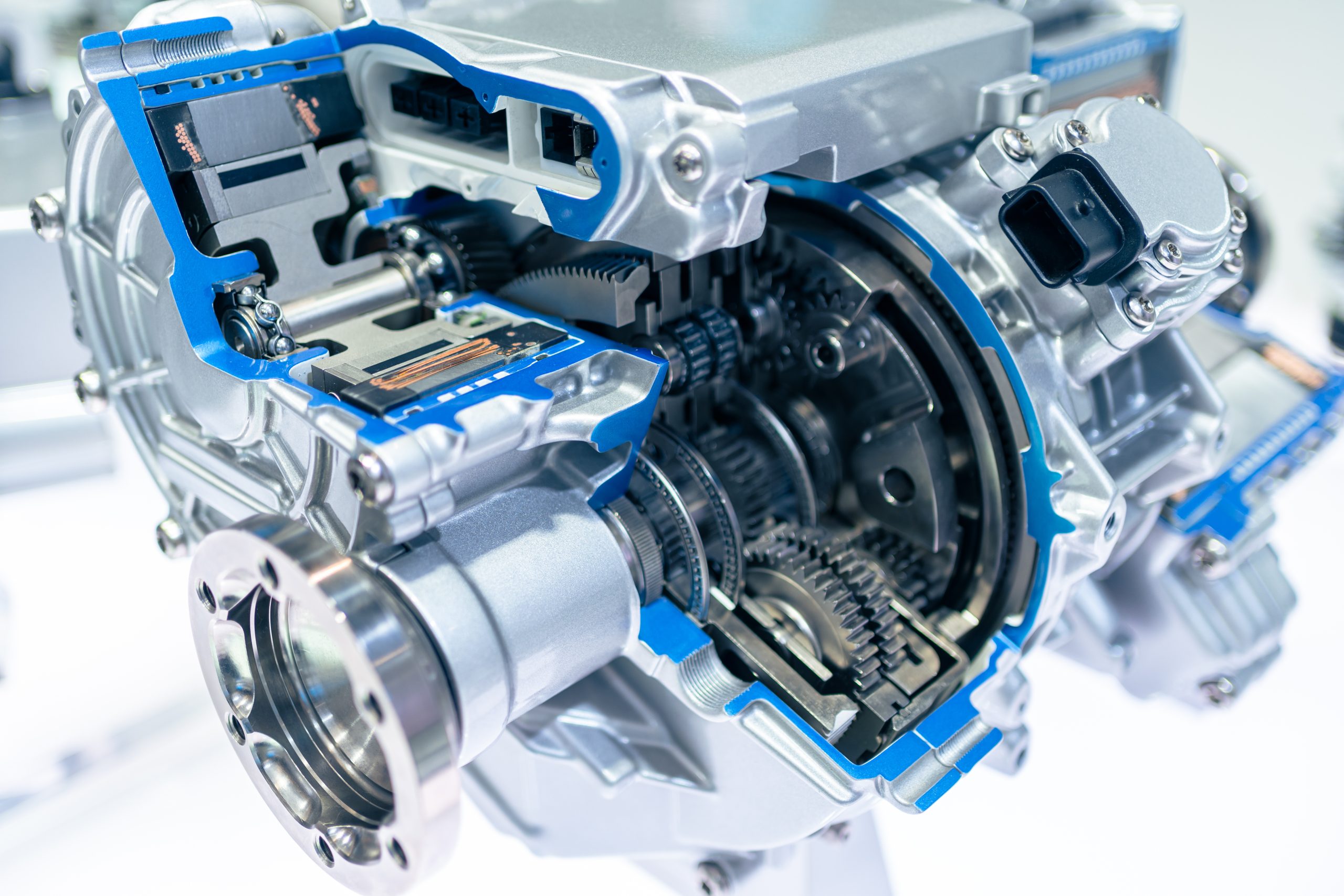
High performance motors are the backbone of modern machines that require speed, efficiency, and reliability. From high-end sports cars to advanced industrial equipment, these powerful motors are designed to deliver superior output while maintaining durability under demanding conditions.
Many people associate powerful motors only with racing cars or luxury vehicles. However, high-performance motor technology is used in many industries including manufacturing, robotics, aerospace, and even renewable energy systems.
As engineering technology continues to evolve, motors are becoming stronger, smarter, and more efficient. The demand for higher speed, better torque, and improved energy efficiency is driving constant innovation in motor design.
Understanding how these motors work helps explain why they play such a crucial role in modern mechanical systems.
Table of Contents
ToggleUnderstanding what makes a motor high performance
A motor is considered high performance when it delivers exceptional power output, efficiency, and reliability compared to standard motors. Engineers design these motors with advanced materials, precision engineering, and optimized electrical or mechanical systems.
One of the key factors is the motor’s ability to generate higher torque and rotational speed without overheating or losing efficiency.
Another important feature is durability. Motors operating in demanding environments must handle continuous stress, high temperatures, and long operating hours.
Because of these qualities, high performance motors are widely used in applications where consistent power and reliability are essential.
Their ability to maintain performance under pressure makes them ideal for both industrial and automotive environments.
The role of engineering innovation in motor development
Motor technology has advanced significantly over the past few decades. Engineers constantly experiment with new materials, cooling systems, and electronic controls to improve motor performance.
Lightweight alloys and high-grade magnetic materials are often used to increase efficiency while reducing weight.
Improved cooling systems also play an important role. Motors that generate large amounts of power can produce heat quickly, so efficient heat dissipation is essential for maintaining performance.
As a result of these innovations, modern high performance motors can operate faster and longer without experiencing significant wear or damage.
These technological improvements have expanded the possibilities for industries that rely on powerful machinery.
High performance motors in the automotive world
The automotive industry is one of the most visible users of advanced motor technology. Performance vehicles depend heavily on powerful motors to deliver fast acceleration and high top speeds.
Sports cars, racing vehicles, and high-end electric cars often use specially designed motors that maximize torque and power output.
Automotive engineers carefully balance performance with fuel efficiency and durability. Achieving this balance requires sophisticated design and extensive testing.
For drivers who enjoy powerful vehicles, high performance motors provide the thrilling acceleration and responsiveness that define performance driving.
These motors allow vehicles to respond quickly and smoothly to driver input, creating a dynamic driving experience.
Industrial applications of high performance motors
Beyond the automotive sector, many industries rely on powerful motors to keep operations running efficiently. Manufacturing plants, robotics systems, and heavy machinery all require consistent power delivery.
Industrial machines often operate continuously for long periods, which demands motors capable of handling intense workloads without failure.
Precision control is also critical in industrial settings. Motors must maintain consistent speed and torque to ensure accurate production processes.
For these reasons, many factories depend on high performance motors that combine strength with reliability.
These motors help increase productivity while minimizing downtime caused by mechanical issues.
Energy efficiency and sustainability
As industries focus more on sustainability, motor efficiency has become a major priority. Energy-efficient motors consume less electricity while delivering the same or greater performance.
Reducing energy consumption helps companies lower operating costs and decrease their environmental impact.
Advanced motor designs now include intelligent control systems that adjust power output based on workload demands.
These smart systems improve efficiency without sacrificing performance.
Many engineers believe that high performance motors will play a key role in the global transition toward more energy-efficient technology.
Improved efficiency not only benefits businesses but also supports broader environmental goals.
The importance of cooling and durability
High-performance motors generate significant heat due to their powerful operation. Without proper cooling systems, excessive heat can reduce efficiency and damage internal components.
To address this challenge, engineers integrate advanced cooling technologies such as liquid cooling systems or enhanced ventilation designs.
Durability is equally important. Motors operating under heavy loads must resist wear and mechanical stress over long periods.
Manufacturers conduct extensive testing to ensure that high performance motors can maintain consistent operation even under extreme conditions.
These durability standards help ensure reliability across demanding applications.
Electric vehicles and the rise of powerful electric motors
The rapid growth of electric vehicles has brought renewed attention to motor technology. Electric motors are now replacing traditional combustion engines in many modern vehicles.
Electric motors offer instant torque, which allows vehicles to accelerate quickly and smoothly. This characteristic makes them ideal for performance-focused electric cars.
Automotive manufacturers invest heavily in developing high performance motors that deliver both speed and efficiency for electric vehicles.
These motors must balance power output with battery efficiency to extend driving range.
As electric mobility continues to grow, motor technology will remain at the center of automotive innovation.
Robotics and automation powered by high performance motors
Robotics and automation systems depend heavily on precise and powerful motors. Robotic arms, assembly machines, and automated manufacturing lines require accurate motion control.
Motors used in these systems must respond instantly to commands while maintaining consistent performance.
Precision is essential in applications such as electronics manufacturing or medical equipment production.
Because of these demands, engineers rely on high performance motors to power robotic systems that operate with remarkable accuracy and reliability.
These motors help enable the advanced automation technologies that drive modern industry.
Maintenance considerations for high performance motors
Even the most advanced motors require proper maintenance to perform at their best. Regular inspections help detect early signs of wear or electrical issues.
Lubrication, cooling system checks, and electrical testing all contribute to maintaining motor health.
Operators who follow recommended maintenance practices can significantly extend the lifespan of powerful motors.
Organizations that depend on high performance motors often implement scheduled maintenance programs to ensure consistent operation.
Proper maintenance not only protects equipment but also prevents unexpected downtime in critical operations.
The future of motor technology
Motor technology continues to evolve as engineers explore new materials, electronic systems, and design strategies.
Artificial intelligence and advanced control algorithms are beginning to influence motor operation, allowing machines to adjust performance automatically based on real-time conditions.
Lightweight materials and improved magnetic components are also helping create more efficient motors.
These innovations suggest that high performance motors will become even more powerful, efficient, and adaptable in the coming years.
As industries demand greater performance and sustainability, motor technology will continue to push the boundaries of what machines can achieve.
The ongoing development of advanced motors will shape the future of transportation, manufacturing, and automation worldwide.
Read also: