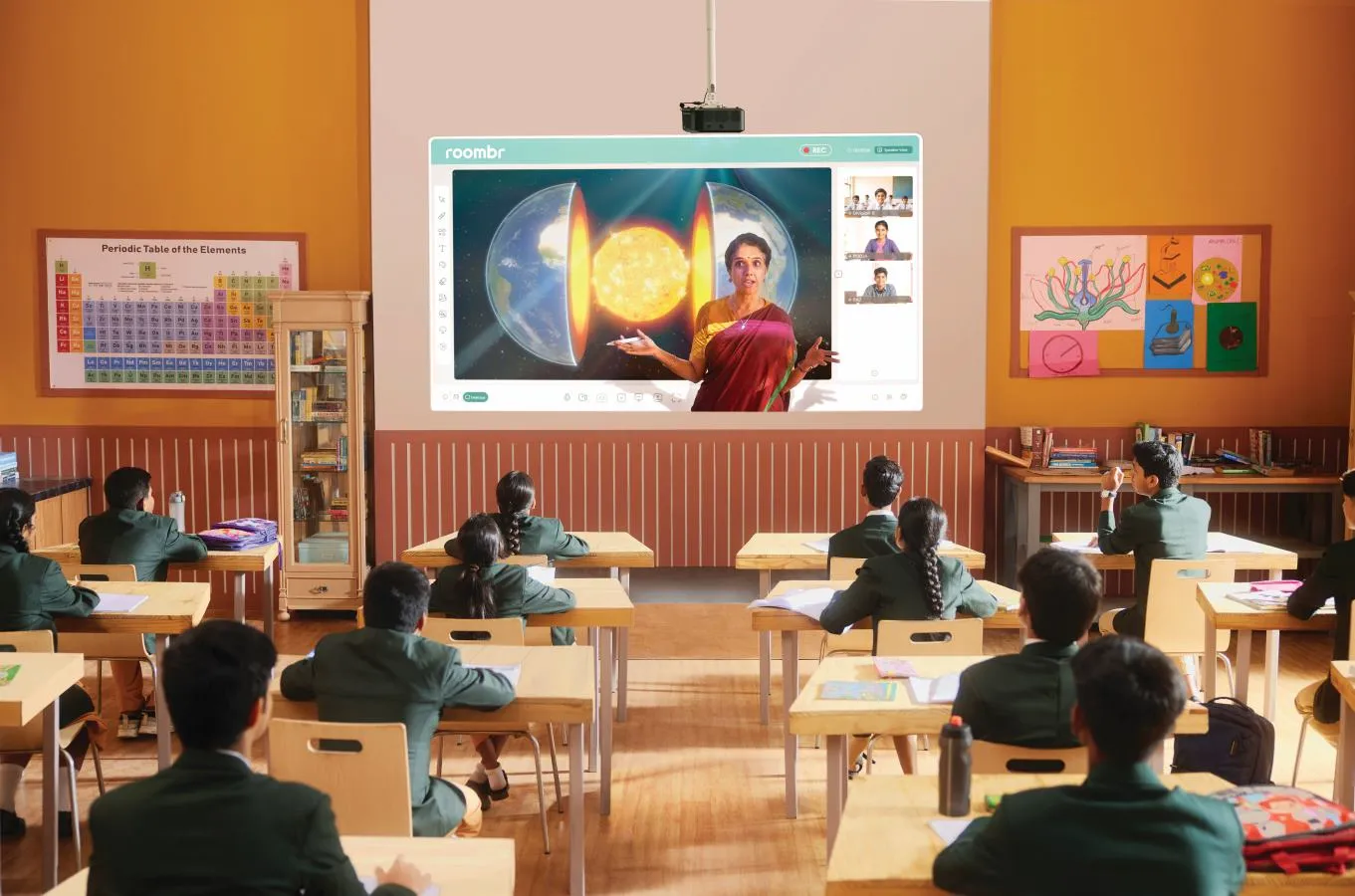
Digital classroom education trend is redefining how students learn and teachers teach in the 21st century. With the rise of technology in education, digital classrooms have moved from experimental setups to mainstream solutions across schools, colleges, and professional learning platforms. This trend has been fueled by internet accessibility, the proliferation of smart devices, and the need for flexible, personalized learning solutions.
In recent years, particularly following global shifts like the COVID-19 pandemic, the digital classroom education trend has accelerated dramatically. Classrooms are no longer limited to physical spaces; virtual learning environments provide students with interactive lessons, real-time assessments, and AI-driven insights tailored to their learning pace.
Personalized Learning Experiences in the Digital Era
One of the most remarkable aspects of the digital classroom education trend is the emphasis on personalized learning. Unlike traditional classrooms, digital platforms adapt to individual student needs, identifying strengths, weaknesses, and learning preferences.
Artificial intelligence and learning analytics play a pivotal role here. For instance, if a student struggles with certain mathematical concepts, AI algorithms suggest targeted exercises and tutorials to address gaps. On the other hand, advanced learners can access accelerated content without being held back by the class pace. This personalization ensures optimized learning and higher student engagement.
Integration of Interactive Tools and Multimedia
Interactive tools, virtual labs, and multimedia content are key drivers of the digital classroom education trend. Lessons are now enriched with videos, animations, quizzes, and simulations, making complex concepts easier to understand and retain.
For example, science students can conduct virtual chemistry experiments, while history learners explore interactive timelines. Such immersive experiences enhance comprehension and make learning enjoyable, shifting the classroom from a passive environment to an active, engaging one.
Real-Time Assessments and Feedback
Instant feedback is a hallmark of the digital classroom education trend. Digital platforms continuously monitor student performance through quizzes, assignments, and in-class activities, providing immediate insights into areas of improvement.
Teachers benefit from detailed dashboards, which highlight student progress and allow them to offer targeted interventions. This approach transforms the classroom into a dynamic learning ecosystem, where feedback drives growth and academic performance is continuously optimized.
Empowering Teachers through Technology
Contrary to the misconception that technology replaces teachers, the digital classroom education trend enhances educators’ capabilities. Teachers can focus more on mentorship, creativity, and critical thinking development rather than repetitive content delivery.
AI-powered analytics help teachers identify struggling students, plan customized lessons, and track progress efficiently. This synergy between human teaching expertise and technological support elevates overall education quality, ensuring that learning is both effective and meaningful.
Accessibility and Inclusivity
The digital classroom education trend is also breaking geographical and socio-economic barriers. Students in remote areas can access high-quality education through internet-connected devices. Multilingual content and adaptive learning paths make digital classrooms more inclusive, catering to learners from diverse backgrounds.
Furthermore, students with disabilities benefit from assistive technologies integrated into digital platforms, enabling equal participation and a more equitable learning experience. This accessibility ensures that no student is left behind in the modern education ecosystem.
Preparing Students for Future Careers
With rapid technological advancements, the digital classroom education trend is crucial for skill development and career readiness. Beyond academic knowledge, digital classrooms provide courses in coding, data science, AI, and other emerging fields.
By offering flexible learning paths, real-time analytics, and hands-on simulations, these platforms equip students with practical skills necessary for the workforce. Digital classrooms thus act as bridges between theoretical learning and real-world application, fostering a future-ready generation.
Collaborative Learning in Virtual Spaces
Digital classrooms encourage collaboration through discussion forums, group projects, and live sessions. Students engage with peers globally, exchanging ideas and problem-solving collectively.
This collaborative environment, a key element of the digital classroom education trend, promotes teamwork, communication, and cultural awareness, preparing students for diverse professional settings. Virtual collaboration also allows teachers to facilitate peer learning and interactive participation, further enriching the educational experience.
Integration with Emerging Technologies
The effectiveness of the digital classroom education trend is amplified by the integration of technologies such as artificial intelligence, virtual reality, augmented reality, and gamification. VR and AR create immersive experiences for complex subjects, while AI helps personalize learning and predict student outcomes.
Gamification, including point systems, badges, and leaderboards, enhances engagement and motivation. This technology-driven approach ensures that education is not only effective but also highly engaging for students of all ages.
Benefits for Students and Institutions
The advantages of embracing the digital classroom education trend are vast. Students benefit from personalized content, real-time feedback, interactive experiences, and skill-based learning. Institutions gain access to data-driven insights, improved efficiency, and enhanced student outcomes.
Moreover, digital classrooms provide scalable solutions for large student populations, making education more sustainable and adaptable to future challenges. By combining pedagogy, technology, and analytics, the digital classroom represents a transformative force in education.
Challenges and Considerations
Despite its many benefits, the digital classroom education trend faces challenges. Digital literacy, internet accessibility, affordability, and maintaining student engagement are key considerations. Institutions must ensure that technology supplements rather than replaces human teaching.
Data privacy and cybersecurity are also crucial. Students’ personal and performance data must be protected, and educators need training to navigate digital tools effectively. Thoughtful implementation is essential to harness the full potential of digital classrooms.
The Future of Digital Classrooms
Looking ahead, the digital classroom education trend is poised to become a standard across all educational levels. Continuous innovation, AI-driven learning, and enhanced interactive technologies will create more personalized, engaging, and effective learning experiences.
Education will increasingly be student-centric, flexible, and accessible, supported by technology that complements teaching expertise. As digital classrooms evolve, they will continue to bridge learning gaps, foster critical thinking, and prepare students for the demands of the modern world.
The digital classroom education trend represents not just a technological shift but a paradigm change in how we perceive and deliver education—making learning smarter, more interactive, and inclusive than ever before.
Read also: